Memorial Day is quickly approaching, which means summer vacation is right around the corner. Whether you’re heading out on a road trip, catching a flight, or planning time at the beach, this is one of the busiest seasons of travel for families. This means that we tend to see an increase in travel stomach bugs (for both kids and adults), with the two most common culprits being norovirus and rotavirus.
I always like to help families prepare before they leave, rather than trying to manage it once symptoms start… or, ideally, prevent getting sick altogether. Vacations are meant for fun and feeling your best!
The Two Most Common Travel Stomach Bugs
When we talk about travel-related stomach illness, there are two viruses that come up most often: norovirus and rotavirus.
Norovirus
Norovirus is the #1 cause of stomach bugs in both children and adults.
It spreads extremely easily in places like:
- Airplanes
- Hotels
- Cruise ships
- Summer camps (and at school)
It’s also highly contagious, which is why outbreaks can move quickly through families or groups.
Rotavirus
Rotavirus is the leading cause of severe diarrhea worldwide in young children, especially under age five.
While vaccination has reduced how often we see it, it still shows up, particularly in infants and toddlers.
Travel Stomach Bugs: What Symptoms to Watch For
Both of these viruses fall under viral gastroenteritis.
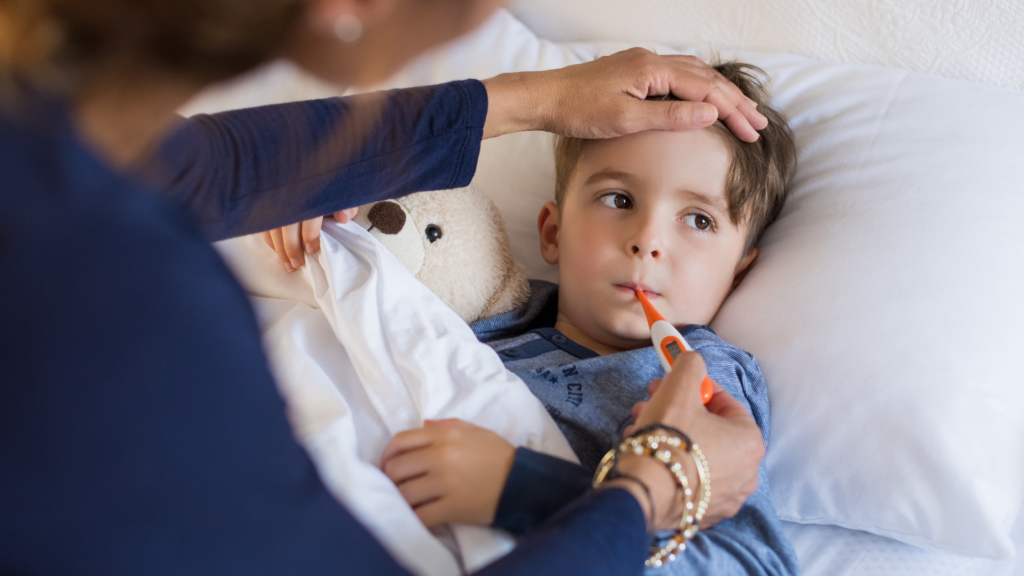
That means the symptoms tend to look similar, including:
- Vomiting
- Diarrhea
- Nausea
- Sometimes fever
What often stands out is how quickly symptoms come on and how easily they spread from one person to another.
Why Travel Increases Risk
Travel naturally increases exposure.
You’re in new environments, around more people, eating different foods, and often touching shared surfaces. At the same time, routines around sleep, hydration, and nutrition tend to shift.
All of this can create the perfect storm for stomach bugs to spread more easily, especially in young children whose immune systems are still developing.
How to Prepare Before You Go (Best Tips to Prevent Travel Stomach Bugs)
The best approach is to support you and your child’s gut before exposure happens. This is where having a simple “travel gut health toolkit” can make a big difference.
Support the Gut Microbiome
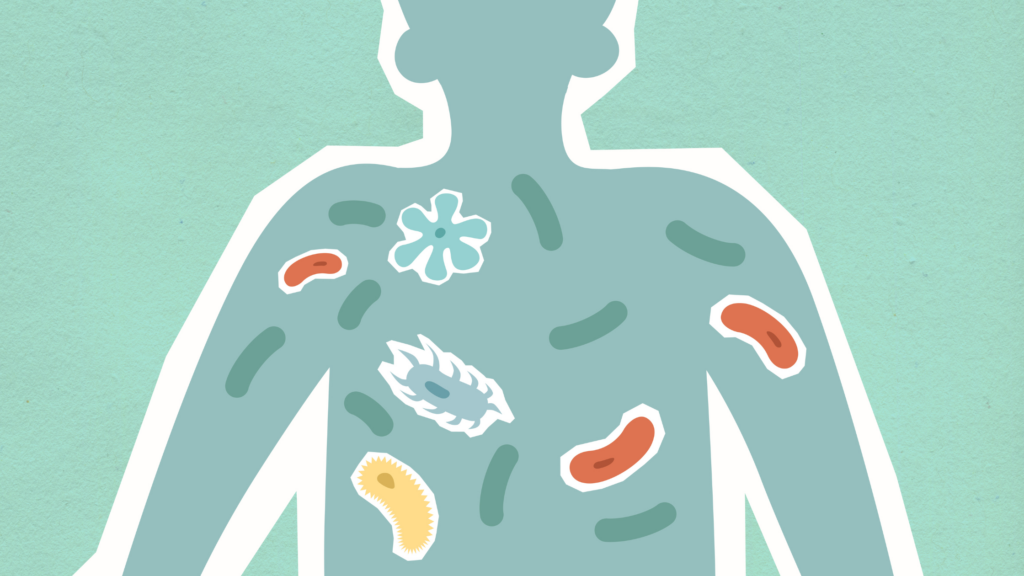
A healthy gut plays a major role in immune defense.
- HKHM SporeBiotic IG: spore-based probiotic plus immunoglobulins that bind and help clear harmful microbes while supporting the gut lining
- HKHM Biome Protect: multi-strain probiotic (which includes Lactobacillus plantarum, the star species of our HKHM Plantadophilus) to support gut balance and prevent illness


These can be started before travel and continued during your trip.
Help the Body Handle New Foods
Travel often means eating foods your family may not typically eat regularly.
HKHM Digestive Enzymes: powerful, plant-based enzymes that help break down and digest the not-so-common foods we often eat while traveling!

Simple Travel Hygiene That Goes a Long Way
Prevention doesn’t have to be complicated.
Small habits can make a big difference! I highly recommend this when your family will have increased exposure to others or be in public spaces a lot during travel.

Briotech Topical Skin Spray is a favorite in our practice because it uses hypochlorous acid—something your body naturally produces to fight microbes—as a gentle alternative to traditional hand sanitizer.
It’s easy to keep in a bag or carry-on and use before meals or after touching shared surfaces. They also offer this in a fantastic travel-size option!
The Bottom Line on Travel Stomach Bugs
Travel should be fun, not stressful. A little preparation can go a long way in helping your child avoid getting sick or recover more quickly if they do.
Focus on:
- Supporting gut health
- Preparing ahead of time
- Maintaining simple hygiene habits
As you’re getting ready for summer break and travel, consider building your family’s travel gut health toolkit ahead of time so you can reduce your chances of getting sick, and so you’re not scrambling if symptoms do start.
References:
- Hall AJ, Lopman BA, Payne DC, Patel MM, Gastañaduy PA, Vinjé J, Parashar UD. Norovirus disease in the United States. Emerg Infect Dis. 2013 Aug;19(8):1198-205. doi: 10.3201/eid1908.130465. PMID: 23876403; PMCID: PMC3739528.
- Burnett E, Parashar UD, Tate JE. Global Impact of Rotavirus Vaccination on Diarrhea Hospitalizations and Deaths Among Children <5 Years Old: 2006-2019. J Infect Dis. 2020 Oct 13;222(10):1731-1739. doi: 10.1093/infdis/jiaa081. PMID: 32095831; PMCID: PMC7483971.