Memorial Day Weekend has passed, which means it feels like summer has officially kicked off! Kids are now spending more time outside. They’re running, playing, sweating, and staying active for longer stretches (which I love!). At the same time, this is when hydration for active kids becomes especially important.
Many of us think about hydration as simply “drinking more water,” but there’s actually a bit more to it when activity levels and heat increase.
Why Hydration Matters More Than You Think
Water is the body’s most essential nutrient. As I like to say, it’s the elixir of life!
Every cell, tissue, and organ depend on it to function properly. Water helps to regulate temperature, support digestion, move nutrients into cells, cushion joints, and remove waste.
Hydration also plays a role in:
- Energy
- Focus
- Mood
- Recovery after activity
Even mild dehydration can start to affect how kids feel and perform throughout the day.
Hydration for Active Kids: A Simple Daily Goal
One of the easiest ways to think about hydration is this: aim for about half of your child’s body weight in ounces of water per day.
For example: a 50 lb child → about 25 oz per day
This gives parents a simple baseline to work from, knowing that needs may increase with heat, activity, or illness.
Making Hydration Easier (and More Consistent)
For many kids, the challenge isn’t access to water—it’s remembering (or wanting) to drink it.
A few simple strategies can help:
- Use a water bottle your child actually likes
- Add a squeeze of lemon or lime for flavor
- Offer water regularly instead of waiting for thirst
It’s also helpful to remember that hydration doesn’t only come from drinks. Foods like watermelon, cucumbers, soups, and broths can contribute as well.
Hydration for Active Kids: When Electrolytes Matter
When kids are sweating more, whether from sports, heat, or illness, plain water isn’t always enough. This is where electrolytes can help.
They support the body’s ability to:
- Retain fluid
- Maintain fluid balance
- Prevent that “can’t seem to stay hydrated” feeling
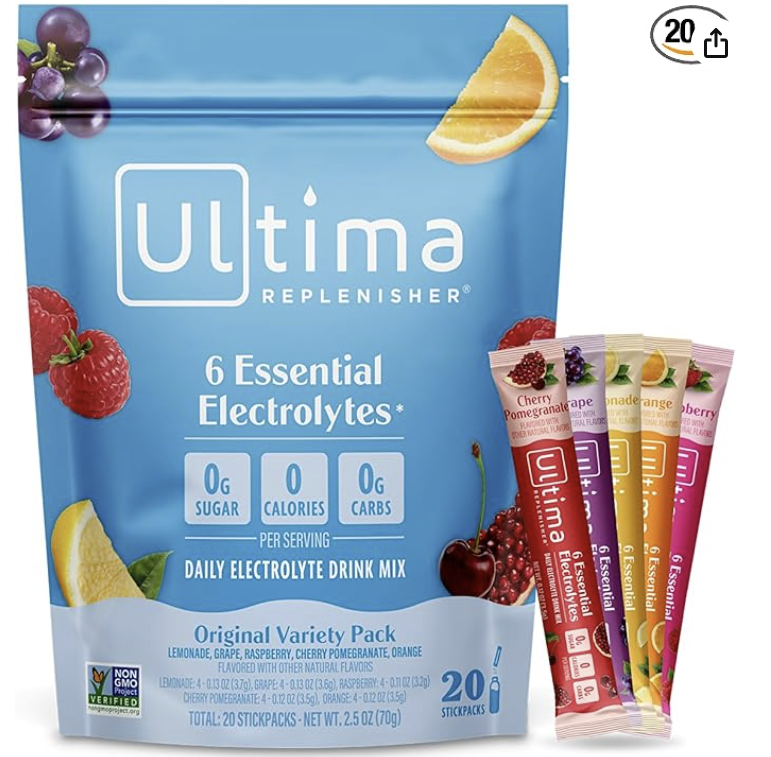
I recommend Ultima Replenisher as a clean electrolyte option that many families do well with.
For everyday use, many children only need a small amount mixed into water. During higher activity or heat, it can be used more intentionally before or after movement.
Hydration Starts at the Cellular Level
Hydration isn’t just about what your child drinks; it’s also about how well their body uses that water.
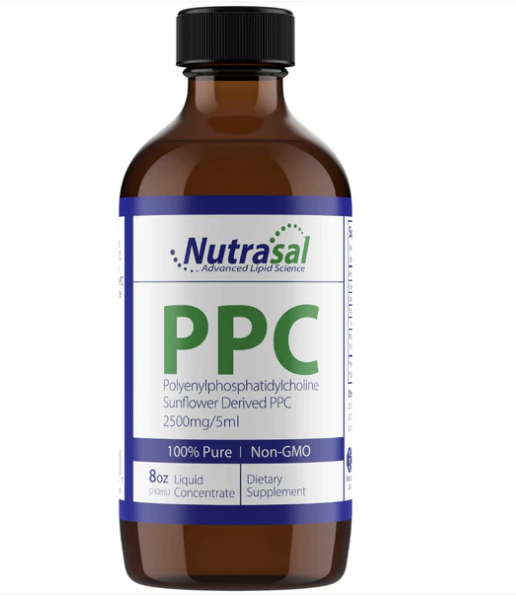
The Role of PPC (“Liquid Gold”)
I often talk about hydration from the inside out.
PPC (phosphatidylcholine) plays a key role in supporting healthy cell membranes. Why does that matter?
Because every cell in the body relies on its membrane to regulate what comes in and out—including water. When cell membranes are well-supported, hydration is more efficient at the cellular level.
In our office, PPC has rightfully earned the moniker as “liquid gold” because it helps the body actually use the water it’s getting.
Small Habits That Make a Big Difference With Hydration for Active Kids
There are a couple of simple tips I always encourage families to try.
Sometimes thirst shows up as hunger. If your child is asking for frequent snacks, try offering water first.
Additionally, during busy summer days, it helps to be proactive by offering fluids regularly instead of waiting until your child feels thirsty.
These small shifts can make hydration feel much easier and more consistent.
References:
- SZhang N, Du SM, Zhang JF, Ma GS. Effects of Dehydration and Rehydration on Cognitive Performance and Mood among Male College Students in Cangzhou, China: A Self-Controlled Trial. Int J Environ Res Public Health. 2019 May 29;16(11):1891. doi: 10.3390/ijerph16111891. PMID: 31146326; PMCID: PMC6603652.
- van der Veen JN, Kennelly JP, Wan S, Vance JE, Vance DE, Jacobs RL. The critical role of phosphatidylcholine and phosphatidylethanolamine metabolism in health and disease. Biochim Biophys Acta Biomembr. 2017 Sep;1859(9 Pt B):1558-1572. doi: 10.1016/j.bbamem.2017.04.006. Epub 2017 Apr 11. PMID: 28411170.