Tick prevention for kids is especially important this year as tick activity continues to increase across many parts of the country.
According to the CDC, emergency room visits for tick bites are higher than normal in many parts of the country. In all regions except the South Central United States, weekly rates of ER visits for tick bites are the highest they have been for this time of year since 2017.
That does not mean we need to keep children inside all summer!
Kids need fresh air, sunshine, movement, dirt, grass, and outdoor play. But it does mean families need a simple plan for preventing tick bites, checking for ticks, removing ticks quickly, and knowing what symptoms to watch for afterward.
A few small habits can make a big difference this summer.
Why Tick Prevention for Kids Matters This Year
Ticks are small, spider-like parasites that attach to the skin and feed on blood. They do not fly or jump. Instead, they wait on grass, shrubs, leaves, or brush until a person or animal brushes past them.
This is why children can pick up ticks while hiking, camping, playing in tall grass, walking through wooded areas, or even spending time in the backyard.
Tick prevention for kids matters because some ticks can carry bacteria, viruses, and parasites that may make people sick. Lyme disease is the tick-borne illness most parents have heard about, but ticks can also spread other illnesses, including Rocky Mountain spotted fever, ehrlichiosis, anaplasmosis, babesiosis, and alpha-gal syndrome.
The CDC estimates that 31 million people are bitten by a tick each year. Other estimates suggest that approximately 476,000 people may be diagnosed and treated for Lyme disease each year in the United States.
That number always gets my attention because tick-borne illnesses can be tricky. Symptoms may not show up right away, and when they do, they can look like many other childhood illnesses.
Some symptoms to watch for after a tick bite include:
● Fever or chills
● Headache
● Fatigue
● Muscle aches
● Joint pain
● Swollen lymph nodes
● Rash
With Lyme disease, some children develop the classic bullseye rash, but not every child does. Some rashes look different, and some children may not have a noticeable rash at all.
I encourage parents to focus on three things during tick season: prevent bites when you can, remove ticks quickly when you find them, and pay attention to how your child feels in the days and weeks after a bite.
If your child develops a fever, rash, unusual fatigue, headache, body aches, joint pain, or any symptoms that concern you after a tick bite, contact your healthcare provider.
Common Places Ticks Hide on Kids
Ticks like warm, protected areas of the body, and they can be easy to miss.
After outdoor time, check:
● In and around the hair
● Behind the ears
● Around the neck
● Under the arms
● Around the waistband
● Inside the belly button
● Between the legs
● Behind the knees
● Around socks, shoes, and ankles
A quick full-body tick check is a simple and important habit families can build during the spring and summer months.
Simple Tick Prevention for Kids Tips
As always, the best approach is prevention.
You do not need to make outdoor play stressful or complicated. You just need a few practical habits that become part of your family’s summer routine.
Tick Prevention for Kids Starts with Protective Clothing
When your child is going into tall grass, wooded areas, or brushy trails, dress them in:
● Long sleeves
● Long pants
● Closed-toe shoes
● Tall socks
● A hat
Light-colored clothing can also make it easier to spot ticks before they attach.
For extra protection, tuck pants into socks when hiking or walking through tall grass. It may not win any fashion awards, but it can help keep ticks from crawling up the legs unnoticed.
Use Tick Repellent Thoughtfully
The CDC recommends using EPA-registered insect repellents and permethrin-treated clothing as part of tick prevention.
For children, always follow the product label carefully and choose products that are appropriate for your child’s age.
I also recommend doing a quick skin rinse or bath after outdoor play when possible, especially if your child has sensitive skin, eczema, allergies, or reacts easily to topical products.
Tick Prevention for Kids: Stay on Clear Trails to Reduce Tick Exposure
Ticks love tall grass, leaf litter, brush, and wooded edges.
When hiking or walking with kids, encourage them to stay in the middle of the trail and avoid brushing up against tall grass or overgrown plants.
This is especially important for little kids who love to wander, collect sticks, sit in the grass, or explore every interesting patch of leaves.
Do a Full Tick Check After Outdoor Time
After outdoor play, do a full-body tick check.
Pay special attention to:
● Hairline and scalp
● Behind the ears
● Neck
● Armpits
● Waistband
● Belly button
● Groin area
● Behind the knees
● Ankles and sock lines
I also like to have kids shower or bathe after high-risk outdoor time. This gives you another chance to check the skin carefully and may help wash off ticks that have not attached yet.
Check Clothes, Shoes, Backpacks, and Pets
Ticks can hitch a ride into the house on clothing, shoes, backpacks, blankets, and pets.
After hikes, camping trips, or time in wooded areas:
● Shake out clothing
● Check shoes and socks
● Look over backpacks and outdoor gear
● Check dogs and outdoor pets carefully
● Consider putting clothes in the dryer on high heat
Remember, ticks are small, and they can be easy to miss! The more routine this becomes, the easier it is to stay ahead of them.
What To Do If You Find a Tick on Your Child
First, take a deep breath.
Finding a tick can feel scary, but the most important thing is to remove it as soon as possible.
Use fine-tipped tweezers if you have them.
Here is what to do:
● Grasp the tick as close to the skin as possible
● Pull upward with steady, even pressure
● Do not twist or jerk the tick
● Do not squeeze the tick’s body
● Clean the bite area and your hands with soap and water or rubbing alcohol
● Do another full-body tick check to make sure there are no other ticks
Do not use petroleum jelly, nail polish, heat, essential oils, or other substances to try to make the tick detach. These methods are not recommended and may increase irritation.
Watch for Symptoms After a Tick Bite
After removing the tick, keep an eye on your child over the next several days and weeks.
Call your healthcare provider if your child develops:
● Fever
● Rash
● Headache
● Fatigue
● Muscle aches
● Joint pain
● Swollen lymph nodes
● Flu-like symptoms
● Any symptoms that feel unusual for your child
It can also be helpful to write down the date of the bite, where on the body the tick was attached, and where your child may have picked it up.
Why Some Kids React More Than Others
Some children are more reactive to bug bites than others.
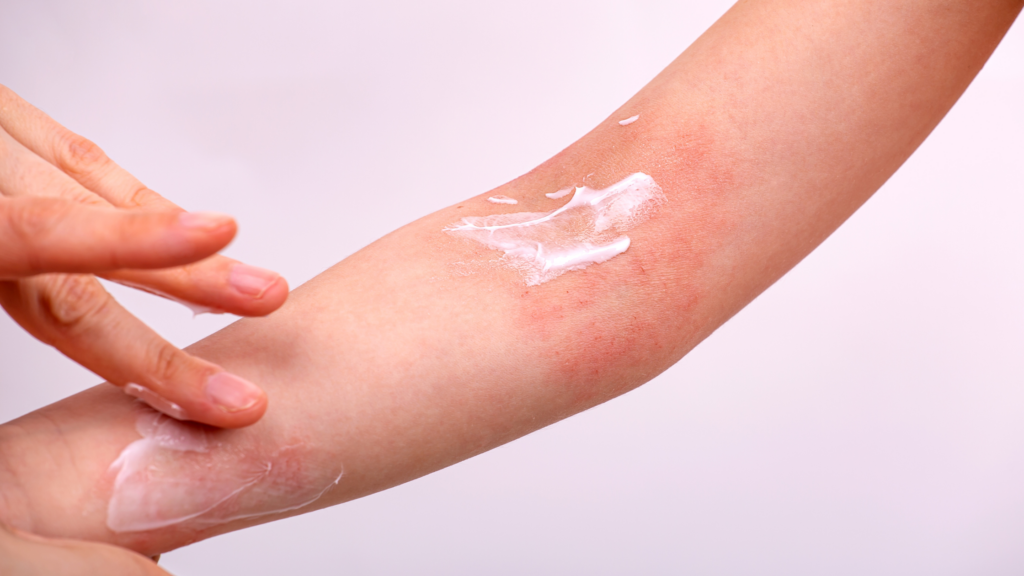
When a tick bites, proteins and irritants in its saliva can trigger a local immune response involving immune cells and cytokines, which may show up as redness, itching, swelling, or a raised bump around the bite.
This type of local reaction is different from a tick-borne infection, but it can be uncomfortable for children who tend to have a stronger histamine response.
A stronger local reaction does not automatically mean your child has Lyme disease or another tickborne illness. At the same time, you do not want to ignore symptoms like fever, spreading rash, unusual fatigue, headache, joint pain, or flu-like symptoms after a tick bite.
Tick Prevention for Kids: Seasonal Support
Supplements do not prevent tick bites or treat tick-borne illness.
But during tick season, I do think about how reactive a child’s immune system is overall.
Some children are more sensitive to bug bites, pollen, grass, itchy skin, and environmental exposures during the summer. For those kids, supporting a healthy histamine response and gut-immune balance may be helpful as part of a broader seasonal plan.
Hist-Assist for Seasonal Reactivity

For children who are generally more reactive during the summer, especially with bug bites, grass, pollen, or itchy skin, HKHM Hist-Assist may be a helpful seasonal support as part of a broader plan.
Hist-Assist does not prevent tick bites or treat tickborne illness, but it may help support a healthy histamine response.
This can be especially helpful for kids who tend to be itchy, reactive, or uncomfortable during seasons with more outdoor exposure.
Plantadophilus for Gut-Immune Support

About 70% of the immune system resides in the gut, which is why I always think about the gut microbiome when we are talking about immune resilience.
HKHM Plantadophilus is one of our foundational probiotic supports for children. It can be especially helpful during seasons when kids are traveling, eating different foods, spending more time outdoors, and being exposed to new environmental triggers.
Again, this is not a treatment for tick bites or tick-borne illness. It is simply one way to support the gut-immune foundation as part of a healthy summer routine.
Looking for More Summer Immune Support?
If your child seems especially reactive during the summer, struggles with itchy skin, seasonal allergies, eczema, digestive issues, or does not seem to bounce back well after illness, it may be helpful to take a deeper look at their immune foundation.
In our practice, we look at the whole child, including gut health, nutrition, sleep, environmental exposures, inflammatory triggers, and immune balance.
You can book a free 15-minute informational call with our practice to explore the best next steps for your family (health coaching, supplement questions, individualized medical care).
References
- Centers for Disease Control and Prevention. (2026, April 23). CDC data show weekly ER visits for tick bites higher than usual. https://www.cdc.gov/media/releases/2026/2026-cdc-data-show-weekly-er-visits-for-tick-bites-higher-than-usual.html
- Centers for Disease Control and Prevention. (2025, March 13). Lyme disease surveillance and data. https://www.cdc.gov/lyme/data-research/facts-stats/index.html
- Centers for Disease Control and Prevention. (2024, August 28). Preventing tick bites. https://www.cdc.gov/ticks/prevention/index.html
- Centers for Disease Control and Prevention. (n.d.). Mosquitoes, ticks, and other arthropods. In CDC yellow book. https://www.cdc.gov/yellow-book/hcp/environmental-hazards-risks/mosquitoes-ticks-and-other-arthropods.html
- Vaz-Rodrigues R, Rafael M, Carniato D, de la Fuente J. Public perspectives on tick bite exposure, healthcare visits and associated allergies in iberia. Ann Med. 2025 Dec;57(1):2499028. doi: 10.1080/07853890.2025.2499028. Epub 2025 May 3. PMID: 40317252; PMCID: PMC12051554.
- Wiertsema SP, van Bergenhenegouwen J, Garssen J, Knippels LMJ. The Interplay between the Gut Microbiome and the Immune System in the Context of Infectious Diseases throughout Life and the Role of Nutrition in Optimizing Treatment Strategies. Nutrients. 2021 Mar 9;13(3):886. doi: 10.3390/nu13030886. PMID: 33803407; PMCID: PMC8001875.