When we think about microbiome health for kids and immune system support, we often focus on nutrition, vitamin intake, nutrient-dense foods, quality sleep, and regular physical activity.
But one important piece of microbiome health for kids that often gets overlooked is simple exposure to the natural world.
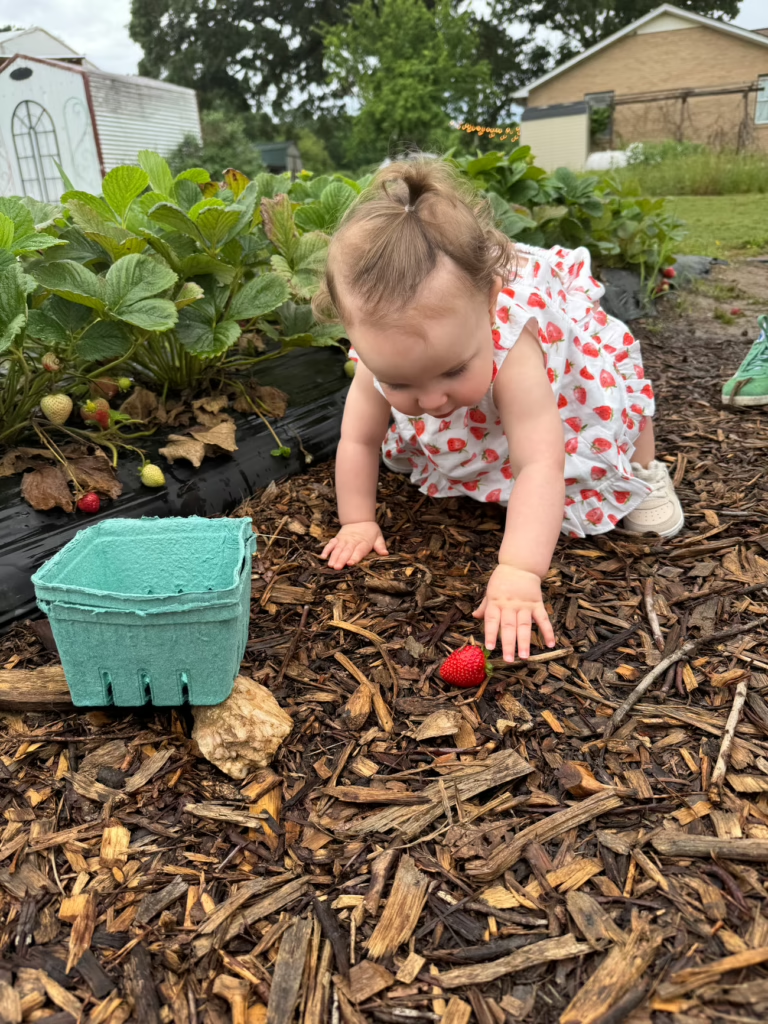
I love these pictures of Lauren’s daughter, Sylvie, at the strawberry patch with her hands caked in soil and sun-warmed berries going straight into her mouth. She’s not just making core memories with Mom and Dad. She’s also getting exposed to the natural world in a way that helps build a more resilient immune system.
Why Microbiome Health for Kids Matters
Many children and adults today are missing out on a critical ingredient for immune health: microbial exposure from the natural world.
Think soil, garden veggies, furry animals, plants, and yes, a little dirt.
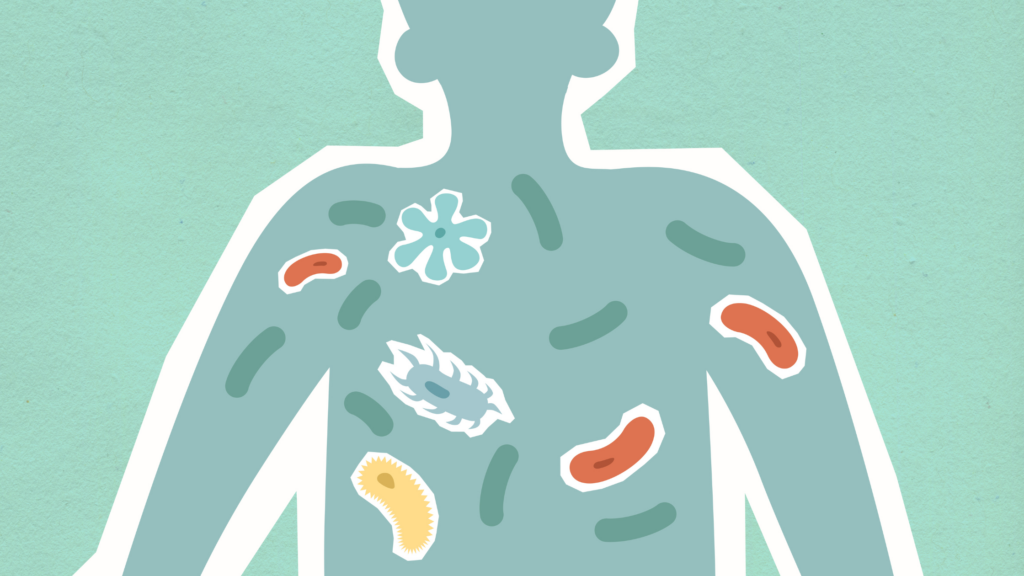
Our skin, gut, and respiratory tract are covered in microbes, also known as the microbiome. The more diverse your microbiome is, the better your immune system can learn how to function without overreacting to everyday triggers.
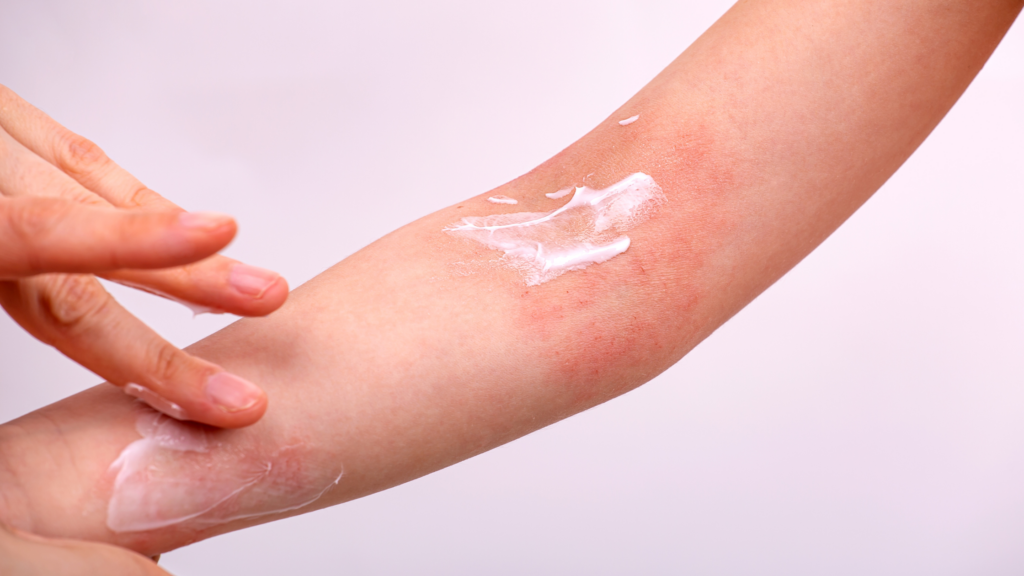
When the immune system becomes hyperactive, that’s when we may start to see patterns like eczema, allergies, and asthma. This is why microbiome health for kids plays such an important role in overall immune balance and inflammation.

What Can Negatively Impact Microbiome Health for Kids?
Additionally, there are many factors in modern life that may negatively impact microbiome health for kids.
Some of the biggest contributors include:
- Poor-quality processed foods
- Hand sanitizers and strong cleaning agents with bleach
- Living in overly sterile environments
- Herbicides that contain glyphosate
- Antibiotics that kill harmful bacteria, but also beneficial bacteria in the gut
- Antibiotics used in food-producing animals
- High C-section rates, since babies born by C-section may miss exposure to beneficial Lactobacillus bacteria from the birth canal
This does not mean we never clean our homes or use antibiotics when needed.
But it does mean we want to thoughtfully support microbiome health for kids by encouraging safe outdoor play, whole foods, microbial diversity, and gut support when needed.
Outdoor Play Helps Support Microbiome Health for Kids
Simple outdoor activities can expose children to a wider variety of microbes that help train and regulate the immune system over time.
Things like:
- Playing in the dirt
- Gardening
- Picking berries
- Spending time around animals
- Hiking barefoot in nature
- Exploring outside regularly
All of these experiences may help support a more diverse microbiome.
The goal is not perfection or avoiding every germ. The goal is to help the immune system learn how to respond appropriately instead of overreacting.
Foundational Gut Support Matters for Microbiome Health for Kids
While outdoor play can help support microbiome health for kids, many children with eczema, allergies, asthma, digestive symptoms, or immune challenges may also benefit from more strategic gut support.
In our practice, we take a step-by-step approach to restore, repair, and optimize the gut microbiome.
Rather than adding a slew of things all at once, we first want to make sure the body can properly digest and absorb nutrients.
I often recommend starting with two foundational supplements: HKHM Plantadophilus and HKHM Digestive Enzymes.
Think of this duo as your basecamp for good health. This creates the foundation for everything else to follow.
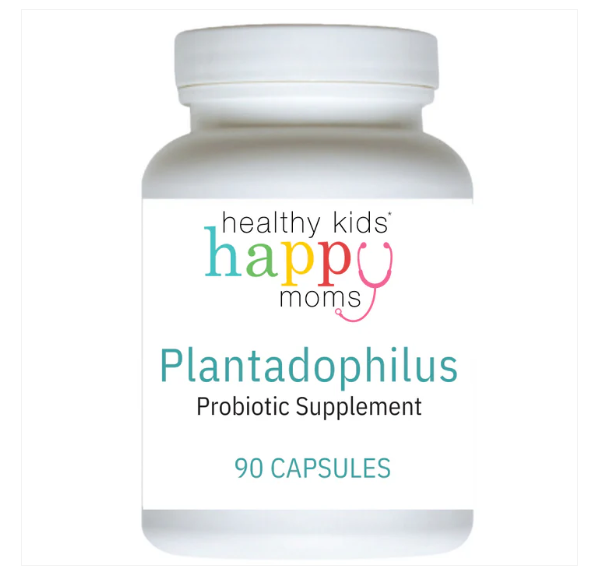

HKHM Plantadophilus
HKHM Plantadophilus is our foundational probiotic and #1 best-seller. It’s gentle, yet robust single-strain formulation helps support microbiome health for kids while still being easy on sensitive stomachs.
HKHM Digestive Enzymes
HKHM Digestive Enzymes contain lipase and protease to help break down fats and proteins for better digestion and nutrient absorption. They are also available in chewable and powder form for children who need alternative options.
A Simple Routine to Support Microbiome Health for Kids
When supporting microbiome health for kids, it is important not to overcomplicate things.
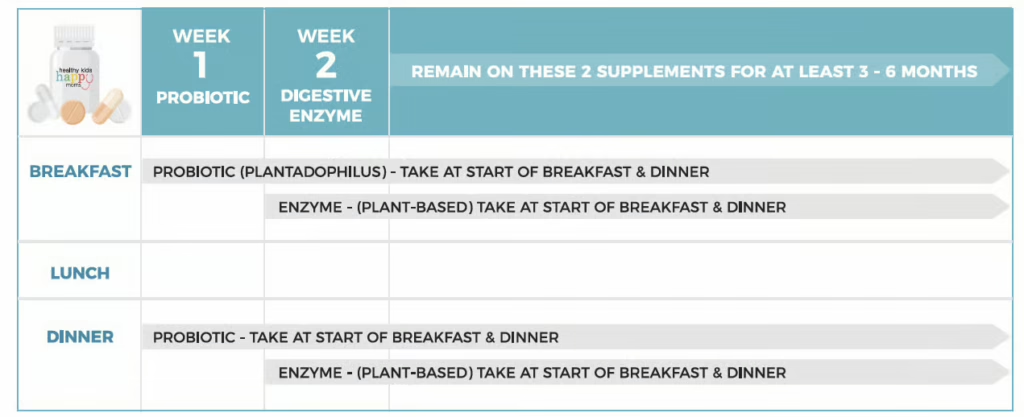
Here is the simple foundational routine we often recommend:
- Week 1: Start with Plantadophilus
- Week 2: Add Digestive Enzymes
- Continue both supplements consistently for at least 3 to 6 months
In some cases, children experience significant improvements simply by starting with these foundational supports.
Simple Ways to Support Microbiome Health for Kids Naturally
Lastly, here are a few simple ways to help support microbiome health for kids naturally:
- Encourage outdoor play regularly
- Include a variety of colorful, whole foods
- Limit ultra-processed foods when possible
- Avoid overusing harsh cleaning products
- Support the gut after antibiotic use
- Allow safe exposure to nature, soil, plants, and animals
- Focus on foundational digestion and gut support when needed
Small daily habits can make a major difference over time.
And if your child struggles with eczema, allergies, asthma, digestive issues, or frequent immune challenges, it may be helpful to take a deeper look at microbiome health and inflammation. You can book a free 15-minute informational call with our private practice to explore individualized medical care.
References
- “5 Things to Know About Triclosan.” U.S. Food & Drug Administration. May 16, 2019. https://www.fda.gov/consumers/consumer-updates/5-things-know-abouttriclosan.
- Okada, H., et al. “The ‘hygiene hypothesis’ for autoimmune and allergic diseases: an update.” Clin Exp Immunol 160, no. 1 (2010): 1–9. doi: 10.1111/j.1365- 2249.2010.04139.x.
- Benbrook, C. “Trends in Glyphosate Herbicide Use in the United States and Globally.” Environ Scie Eur 28, no. 3 (2016). https://doi.org/10.1186/s12302-016-0070-0.
- “Outpatient Antibiotic Prescriptions—United States, 2015.” Centers for Disease Control and Prevention. Accessed Jan. 25, 2018. https://www.cdc.gov/antibioticuse/community/pdfs/Annual-report-2015.pdf.
- National Research Council (U.S.) Committee to Study the Human Health Effects of Subtherapeutic Antibiotic Use in Animal Feeds. The Effects on Human Health of Subtherapeutic Use of Antimicrobials in Animal Feeds. Washington (D.C.): National Academies Press (U.S.), 1980. Appendix K, Antibiotics In Animal Feeds. Available from https://www.ncbi.nlm.nih.gov/books/NBK216502/.
- Bowen, Alison. “1 in 3 U.S. Women Have C-sections. How Chicago Doctors Are Working to Change That.” Chicago Tribune. May 15, 2017. https://www. chicagotribune.com/lifestyles/health/ct-cesarean-sections-births-health-0515- 20170515-story.html.