Foodborne illness prevention becomes especially important during the summer months. By late July, most of us have been to a cookout, picnic, pool party, or summer gathering where the food table looked a little questionable. (Think potato salad sitting in the sun.)
Everyone is grazing over the course of a few hours, and nobody is totally sure how long the dips, meats, dairy, fruit trays, or mayo-based dishes have been sitting out. This is exactly why foodborne illness prevention should be top of mind during outdoor events.
It’s all fun and games until someone ends up with food poisoning.
Foodborne illness is more common than many families realize, especially during the summer months when heat, outdoor gatherings, travel, and relaxed routines all come together. Practicing foodborne illness prevention can help reduce the risk of unwanted stomach issues and ruined summer plans.
A few simple food safety habits can go a long way. From proper food storage to handwashing and temperature control, foodborne illness prevention starts with everyday choices.
And from an integrative perspective, we can also think about how to support the gut before and after these bigger summer meals. Combining smart food safety practices with gut health support is another helpful approach to foodborne illness prevention.
What Is Foodborne Illness?
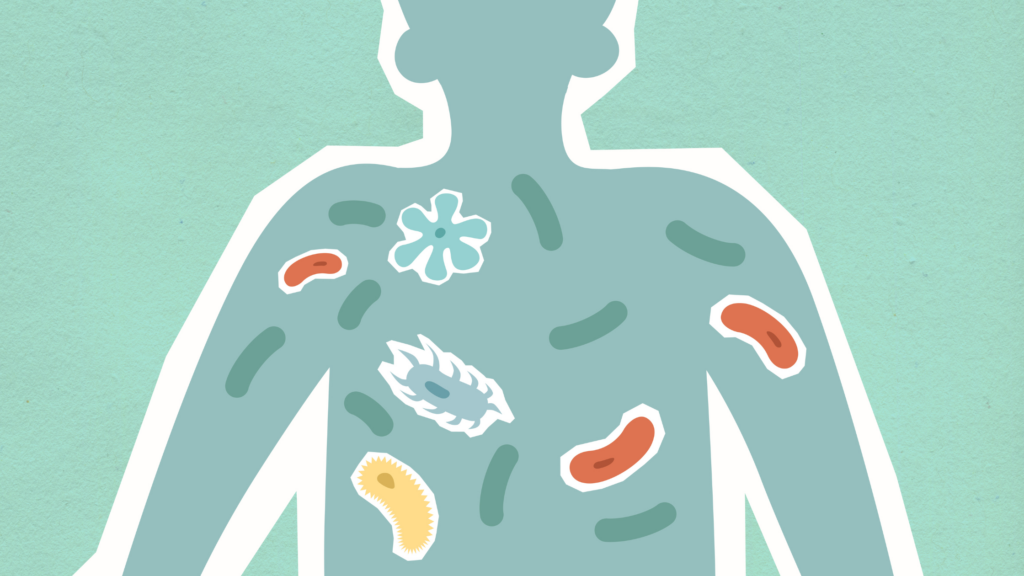
Foodborne illness happens when we eat food contaminated with bacteria, viruses, parasites, or toxins.
This can happen when food is not cooked properly, stored at the right temperature, handled safely, or protected from cross-contamination.
Summer can increase the risk because food is often served outside, temperatures are higher, and people tend to graze for longer periods of time at cookouts, picnics, camps, and outdoor parties.
Some of the most common sources include:
● Meat or poultry that is undercooked
● Mayo-based dishes that sit out too long
● Eggs or dairy left in the heat
● Unwashed fruits and vegetables
● Food prepared on contaminated cutting boards
● Ready-to-eat foods touched after handling raw meat
● Coolers that are not kept cold enough
Foodborne illness is not always dramatic, but it can make a child or adult feel miserable very quickly.
The Temperature Danger Zone: Foodborne Illness Prevention for Summer
One of the most important things to remember is the temperature danger zone.
Bacteria grows fastest between 40°F and 140°F.
This is when bacteria like Salmonella, E. coli, and Listeria can multiply rapidly, sometimes doubling in number in as little as 20 minutes.
A simple rule of thumb:
● If perishable food has been sitting out for more than 2 hours, toss it
● If it is 90°F or hotter outside, toss it after 1 hour
I know it can feel wasteful to throw food away. But this is one of those times when it is better to be safe.
Common Symptoms of Foodborne Illness
Symptoms can show up within a few hours or a couple of days, depending on what someone was exposed to.
Common symptoms include:
● Nausea
● Vomiting
● Diarrhea
● Stomach cramps
● Low-grade fever
● Fatigue
● General “I just don’t feel right” symptoms
Most mild cases improve with rest, hydration, and time.
But children can become dehydrated more quickly than adults, especially if they are vomiting or having diarrhea.
Call your healthcare provider if your child has persistent vomiting, signs of dehydration, bloody diarrhea, severe abdominal pain, high fever, or symptoms that are worsening instead of improving.
How To Prevent Foodborne Illness at Cookouts and Picnics
Food safety does not need to be complicated and a few basic habits can make a big difference.
Keep Cold Foods Cold
Cold foods should stay cold until it is time to eat.
Use coolers with plenty of ice packs, keep the lid closed as much as possible, and avoid leaving dairy, eggs, mayo-based dishes, cut fruit, dips, or meats sitting out for hours.
If food has been sitting in the sun and you are not sure how long it has been out, skip it.
Cook Meat Thoroughly
Do not rely on the color of meat alone to know whether it is done. Use a food thermometer when possible, especially for burgers, chicken, pork, and other meats.
This is one of the simplest ways to reduce the risk of foodborne illness at summer gatherings.
Avoid Cross-Contamination
Cross-contamination is one of the easiest ways bacteria spread.
A common example is using the same cutting board, plate, or utensils for raw meat and cooked food.
Try to keep separate:
● Raw meat and ready-to-eat foods
● Raw meat utensils and serving utensils
● Raw meat plates and cooked meat plates
● Meat coolers and snack or drink coolers
And of course, wash your hands well after handling raw meat.
Be Careful With Grazing Tables
I love a good summer food table, but grazing for hours can be risky when the spread includes perishable foods.
When hosting a gathering, put food out in smaller batches and refill as needed instead of setting everything out at once.
For guests attending a cookout, use your best judgment. If a dish looks like it has been sitting in the sun all afternoon, it is okay to pass.
Support Your Gut Before Summer Gatherings
Food safety always comes first! Supplements do not prevent foodborne illness, and they do not replace safe food handling.
But it’s also important to think about your overall gut health before summer gatherings. Families often eat heavier meals, unfamiliar foods, and more sugar during these events. Processed foods and meals outside your normal routine can also affect digestion.
A healthy gut lining and balanced microbiome help support digestion, immune function, and resilience.
You can learn more about the gut microbiome in this blog post: The ABC’s of Probiotics: Your Gut Is Like a Garden.
Sporebiotic + IG Before a Cookout or Picnic

Before outdoor gatherings, I recommend taking HKHM Sporebiotic + IG.
This is a multi-strain probiotic with added immunoglobulins to support healthy gut microflora, mucosal integrity, and immune resilience.
I especially like this type of support when families are traveling, eating differently, or going into settings where food handling may not be as controlled as it is at home.
Digestive Enzymes for Heavier Summer Meals

Summer meals can be heavier than what many kids normally eat. Think burgers, pulled pork, pasta salad, chips, dips, desserts, and foods that are harder to digest.
For adults or older kids using capsules, HKHM Digest Enzymes can help support the breakdown of proteins, fats, carbohydrates, and fiber. (For younger kids or those who prefer chewables, HKHM Kidz Digest may be a better fit.)
Digestive enzymes do not prevent foodborne illness, but they can support digestion when meals are heavier, richer, or less familiar than usual.
What To Do If Foodborne Illness Symptoms Start
If someone in your family starts feeling nauseous, has diarrhea, starts vomiting, or develops stomach cramps after a cookout or picnic, focus first on hydration and rest.
Small sips of fluids are usually easier than large amounts at once.
Additionally, you can support the gut while symptoms are calming down.
Immune Defense IgG for Gut Recovery Support

If stomach symptoms do start, I recommend taking HKHM Immune Defense IgG (formerly called Immune Protect IgG).
This supplement provides concentrated immunoglobulins to support the gut lining, immune resilience, and microbial and toxin binding support.
It is available in both capsule and powder form.
Again, this is not a replacement for medical care. If your child is very sick, dehydrated, has blood in the stool, severe abdominal pain, persistent vomiting, or symptoms that concern you, please contact your healthcare provider.
Keep Summer Meals Fun and Safe
Cookouts, picnics, pool parties, and summer gatherings are meant to be enjoyed. You do not need to be afraid of every food table.
But a few simple preventive measures, both with food handling and gut support, can help your family enjoy summer meals with more confidence.