Autumn brings cooler weather, changing leaves, and time outdoors for fall sports, but for kids with seasonal allergies, it can also mean sneezing, itchy or watery eyes, congestion, and runny noses.
While spring allergies often get the most attention, fall allergies in kids can be just as troublesome. Ragweed pollen, mold, and indoor allergens can all contribute to symptoms, especially as children head back to school and spend time in different indoor and outdoor environments.
Fortunately, there are simple steps families can take to reduce exposure while also supporting the body’s response to seasonal allergens.
Common Allergy Triggers That Can Flare in Fall
Seasonal and year-round allergens can both contribute to increased symptoms during the fall. Some of the most common triggers include:
- Ragweed pollen: Ragweed is one of the most common fall allergens and can release large amounts of pollen into the air.
- Mold spores: Wet, decaying leaves, damp fall weather, and indoor environments such as schools can all increase exposure to mold.
- Dust mites: Dust mites are a year-round allergen, but exposure may increase as children spend more time indoors and home heating systems are turned on.
- Animal dander: Pet dander from cats and dogs is also a year-round allergen, but increased indoor time during cooler weather can mean more exposure.
An Integrative Approach to Fall Allergies in Kids
In our practice, we take an integrative approach to seasonal allergies that goes beyond simply reacting to symptoms.
We focus on three main areas:
- Reducing systemic inflammation
- Supporting a healthy mast cell and histamine response
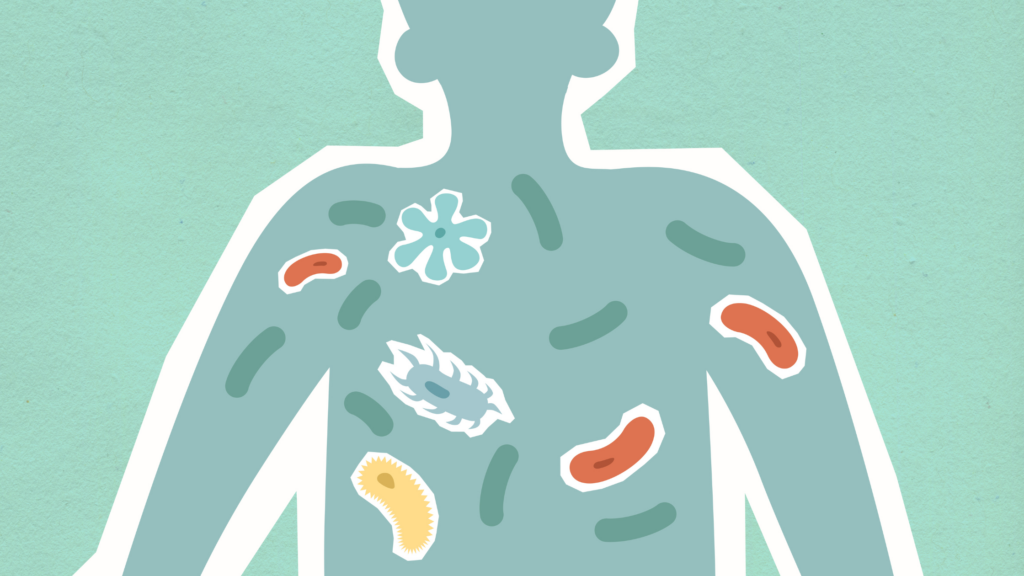
- Supporting the gut microbiome and overall immune function
These foundational pieces can help support a more balanced response when your child is exposed to seasonal and environmental triggers.
Ways to Reduce Symptoms of Fall Allergies in Kids
Reducing your child’s exposure to allergens is another important part of the equation.
The American College of Allergy, Asthma & Immunology (ACAAI) recommends several simple strategies for fall allergy season:
- Monitor pollen counts: Check local pollen forecasts and consider limiting outdoor activities when counts are especially high.
- Keep pollen outside: Keep windows and doors closed during high-pollen days.
- Change after outdoor time: Have your child change clothes after spending significant time outside. Showering and washing their hair can also help remove pollen that may otherwise be carried throughout the house.
- Keep bedding clean: Use allergen-proof mattresses and pillow covers and wash bedding regularly.
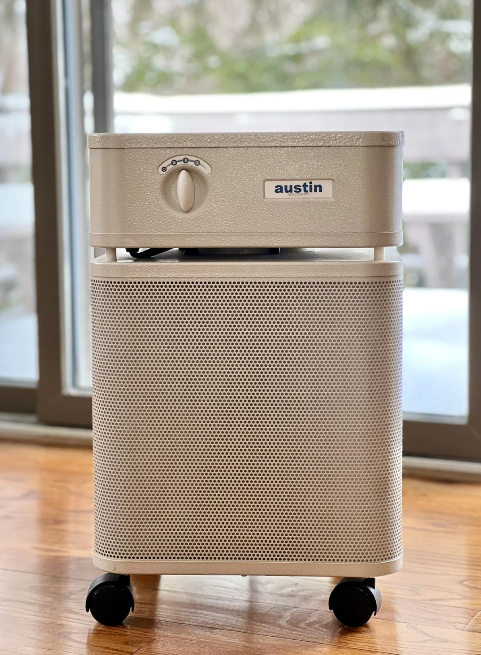
- Use an air purifier: A HEPA air purifier in your child’s bedroom or other frequently used areas of your home can help reduce airborne allergens. I use an Austin Air filter in my own home and office and absolutely love it.
Supplement Spotlight: HKHM Hist-Assist
One of my favorite supplements for supporting kids during seasonal and environmental allergy seasons is HKHM Hist-Assist.
It is available in capsules or, for younger children, HKHM Hist-Assist Jr. chewables.
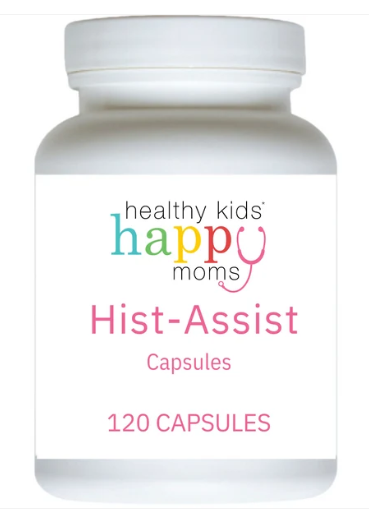
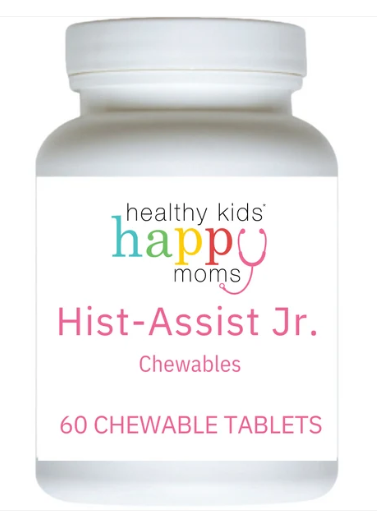
HKHM Hist-Assist contains a targeted combination of nutrients, antioxidants, botanicals, and enzymes that help support healthy histamine balance, immune function, and comfortable nasal and sinus passages:
- Vitamin C: Provides antioxidant and immune support.
- Quercetin: A flavonoid that helps support healthy mast cell and histamine balance.
- Stinging nettle leaf: Helps support a balanced immune response to common environmental triggers.
- Bromelain: A proteolytic enzyme that supports mucosal tissue comfort.
- N-acetyl cysteine (NAC): Supports normal mucus viscosity, comfortable airway clearance, and the body’s production of glutathione.
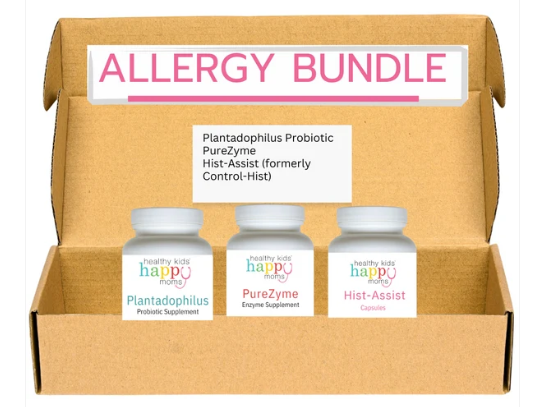
If your child struggles with seasonal allergies, you can also check out our Allergy Bundle, which combines several of the supplements we use to support the body during allergy season.
My goal is to help your family spend less time worrying about seasonal symptoms and more time enjoying everything fall has to offer.
References
- American College of Allergy, Asthma & Immunology. 5 Expert Ways to Prepare for a Longer Fall Allergy Season. August 1, 2025.