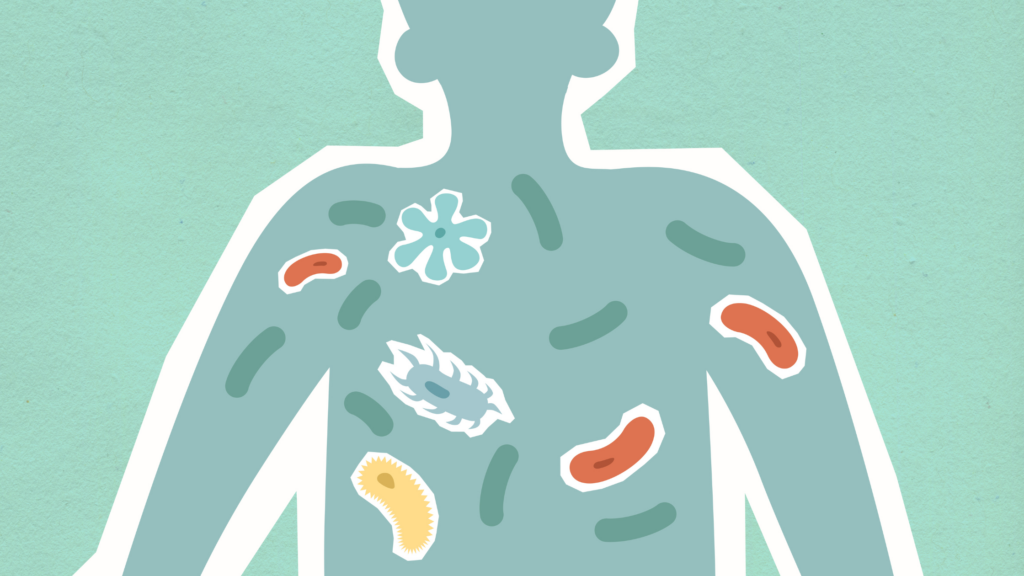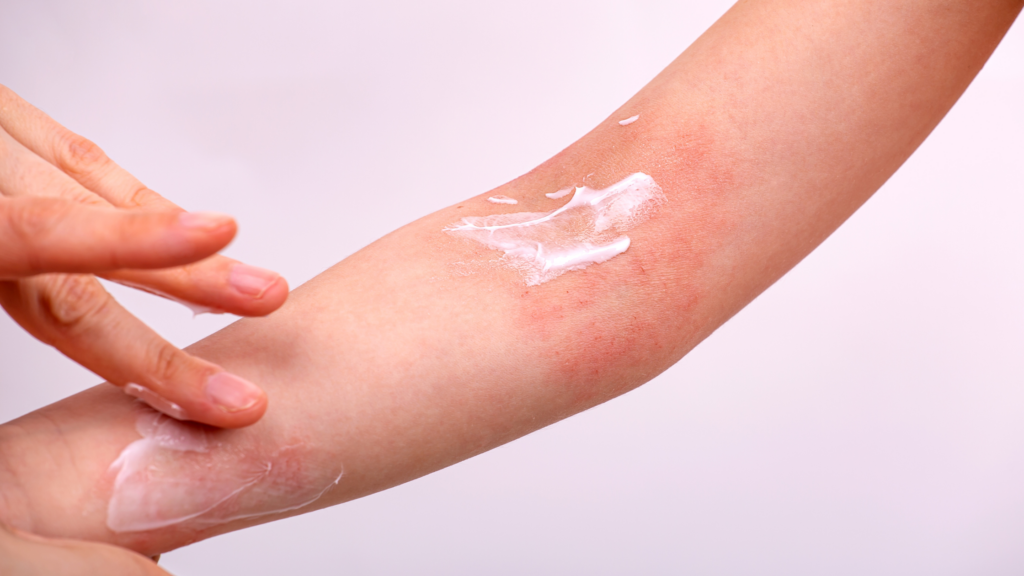
Summer brings plenty of opportunities for kids to swim, play outside, attend camp, and spend time with friends. It is also a time when molluscum contagiosum in kids may become more noticeable, as close contact and shared surfaces can make this common viral skin infection easier to spread.
Molluscum contagiosum in kids is a common viral skin infection that causes small, raised bumps on the skin. While it is usually harmless, the bumps can become itchy, irritated, and frustrating, especially when they continue spreading from one area of the body to another.
Parents often notice molluscum contagiosum in kids during the summer months, when swimming, sports, camps, and other group activities increase opportunities for skin-to-skin contact. Understanding molluscum contagiosum in kids can help families take steps to reduce spreading and support healthy skin.
Let’s look at what molluscum is, how it differs from plantar warts, why molluscum contagiosum in kids may be more common during the summer, and what you can do to support your child’s skin and immune system.
What Is Molluscum Contagiosum?
Molluscum contagiosum is a skin infection caused by a type of poxvirus.
It typically causes small, firm, raised bumps on the skin. The bumps may be flesh-colored, pink, or pearly white and often have a tiny indentation in the center.
Molluscum bumps may:
- Appear individually or in clusters
- Develop almost anywhere on the body
- Become red, itchy, sore, or inflamed
- Spread when a child scratches or picks at them
- Last for several months or sometimes longer
The bumps are generally harmless and often resolve on their own as the immune system recognizes and clears the virus.
However, because molluscum is contagious, new bumps can continue appearing while existing ones are healing.

Molluscum Contagiosum vs. Plantar Warts
Parents sometimes use the word “warts” to describe both molluscum and plantar warts, but they are different skin conditions caused by different viruses.
Molluscum Contagiosum
Molluscum contagiosum:
- Is caused by a poxvirus
- Usually looks like smooth, rounded bumps
- Often has a small dimple in the center
- Can appear in clusters across the torso, arms, legs, face, or skin folds
- Spreads through direct skin contact and shared personal items
Plantar Warts
Plantar warts:
- Are caused by certain strains of human papillomavirus, or HPV
- Usually develop on the soles of the feet
- Often feel rough, thick, or grainy
- May contain tiny black dots from clotted blood vessels
- Can become painful when a child walks or stands
Because the treatments are not always the same, it is important to confirm which condition your child has before beginning an at-home protocol.
The remainder of this blog focuses specifically on supporting children with molluscum contagiosum.
Why Molluscum May Spread More During the Summer
The molluscum virus does not necessarily follow a strict summer season. However, summer activities can create more opportunities for it to move between children or spread across a child’s body.
Molluscum spreads through direct skin-to-skin contact or through objects that have touched infected skin.
These can include:
- Towels and washcloths
- Clothing and swimsuits
- Pool toys and kickboards
- Sports equipment
- Shared bedding
- Toys and other frequently touched items
Warm, humid conditions can also contribute to skin irritation. Wet swimsuits, sweating, friction, and frequent scratching may weaken the skin barrier and make it easier for bumps to spread.
Swimming itself is not necessarily the primary problem. Shared towels, equipment, close physical contact, and uncovered bumps are more likely to contribute to transmission.
Children with eczema or very dry, irritated skin may be especially prone to spreading molluscum. Scratching can move the virus to nearby areas, while breaks in the skin barrier make it easier for additional bumps to develop.
You can learn more about supporting children with eczema and other reactive skin patterns in my blog, Eczema, Asthma, and Allergies in Kids: How to Prepare for Pollen.
How to Help Keep Molluscum From Spreading
A few simple habits can help protect your child’s skin and reduce the chance of spreading the virus:
- Encourage your child not to scratch or pick at the bumps.
- Keep irritated or exposed bumps covered with clothing or a clean bandage.
- Do not share towels, washcloths, clothing, or razors.
- Wash hands after touching or treating the affected skin.
- Give each child their own towel at the pool or beach.
- Clean and thoroughly dry shared pool and sports equipment.
- Change out of wet swimsuits and sweaty clothes promptly.
- Support the skin barrier with a gentle, fragrance-free moisturizer.
Children do not usually need to stay home from school, daycare, or activities solely because they have molluscum.
Ask your pediatrician for guidance if the bumps are open, infected, widespread, or located in a sensitive area.
Does Molluscum Contagiosum Need Treatment?
In many healthy children, molluscum will eventually clear without treatment. However, this can take many months, and some children continue developing new bumps during that time.
Treatment may be worth discussing when:
- The bumps are spreading rapidly
- They are itchy, painful, bleeding, or repeatedly irritated
- Your child has eczema around the bumps
- The bumps appear to be infected
- They are near the eyes or genital area
- Your child feels embarrassed or distressed by them
- Your child has a weakened immune system
- You are unsure whether the bumps are actually molluscum
A pediatrician or dermatologist may recommend monitoring the bumps or using an in-office or prescription treatment.
Options can include blistering agents, freezing, scraping, or topical medications, depending on your child’s age, skin, and the location and severity of the lesions.
Some treatments can be uncomfortable or irritating, so the best approach should be individualized.
Tea Tree Oil and Iodine for Molluscum Contagiosum
One at-home approach that has been studied in children combines topical tea tree oil with iodine.
In a small clinical study, children who received a tea tree oil and iodine combination experienced a greater reduction in molluscum lesions than children who received either ingredient alone.
That result is promising, but it is important to keep the research in perspective. This was a small study, and we do not yet have enough high-quality evidence to consider tea tree oil and iodine a proven treatment for every child.
Tea tree oil may also irritate the skin or cause an allergic reaction in some children.
Before using it:
- Speak with your child’s pediatrician or dermatologist to confirm that the bumps are molluscum.
- Test a small amount on an unaffected patch of skin.
- Wait 24 hours and watch for redness, swelling, itching, or irritation.
- Never allow your child to swallow tea tree oil.
- Avoid applying it near the eyes, mouth, genital area, or broken or severely irritated skin.
- Stop using it if your child develops burning, worsening redness, swelling, or discomfort.
You can also consider diluting tea tree oil 1:1 with a carrier oil such as jojoba oil to reduce irritation.
However, the concentration and formulation used in clinical research may not be identical to products purchased separately at a store. Discuss the appropriate product and concentration with your child’s healthcare provider.
If you do not see improvement after two to four weeks, or the rash is getting worse, schedule an evaluation with a pediatrician or dermatologist.
Supporting the Immune System From the Inside Out
While topical care can help manage the bumps and reduce their spread, I also like to support the immune system that ultimately has to recognize and clear the virus.
Molluscum contagiosum usually resolves once the immune system responds to the infection. That is why, alongside caring for the skin, I think about how we can support a child’s immune system from the inside out.
Start with the foundations:
- Consistent, restorative sleep
- A nutrient-dense diet with plenty of colorful whole foods
- Adequate protein and healthy fats
- Regular hydration
- Daily movement and time outdoors
- Addressing constipation and other digestive concerns
- Supporting healthy vitamin D levels with guidance from your child’s healthcare provider
In my practice, two additional supplements I may consider are SporeBiotic + IG and PureZyme or ProZyme.
SporeBiotic + IG
SporeBiotic + IG combines spore-based probiotics with concentrated immunoglobulins to support healthy gut microflora, mucosal integrity, and the gut barrier.
Because so much immune activity is connected to the digestive tract, supporting gut health can be an important part of a child’s broader immune-health plan.
SporeBiotic + IG is not a treatment for molluscum. Instead, it can be considered as part of a foundational approach to supporting healthy digestion, the intestinal barrier, and balanced immune function.

PureZyme or ProZyme
PureZyme and ProZyme are systemic enzyme formulas that I use to support the body’s normal inflammatory balance and natural cleanup and recovery processes.
They are not treatments for molluscum, but they may be considered as part of a broader, individualized plan to support the body while the immune system responds to the virus.
We like to call PureZyme “Nature’s Ibuprofen,” and you can think of ProZyme as ‘Extra Strength.’ The appropriate product and serving size will depend on your child’s age, health history, and individual needs.


As always, supplements should be selected based on your child’s age, health history, diet, symptoms, and individual needs.
Speak with your child’s pediatrician or qualified healthcare provider before beginning a new supplement, especially if your child takes medication or has an underlying health condition.
When to Call Your Child’s Doctor
Contact your pediatrician or dermatologist if:
- You are not certain that the bumps are molluscum
- The skin becomes hot, painful, swollen, or produces pus
- Your child develops a fever or seems unwell
- The bumps are close to the eyes
- The bumps occur in the genital area
- The rash is widespread or rapidly worsening
- Your child has severe eczema or a weakened immune system
- An at-home treatment causes irritation or an allergic reaction
Molluscum contagiosum in kids is common and typically harmless, but that does not mean you have to ignore uncomfortable symptoms or manage it without support.
With the right skin-care habits, precautions, foundational immune support, and guidance from your child’s healthcare provider, you can help reduce irritation and limit the spread while your child’s immune system does its work.
References
- Markum E, Baillie J. Combination of essential oil of Melaleuca alternifolia and iodine in the treatment of molluscum contagiosum in children. J Drugs Dermatol. 2012 Mar;11(3):349-54. PMID: 22395586.