Early season pollen exposure can begin as early as February, and here in Charlotte, NC, it starts ramping up quickly by early March. If you or your child struggles with seasonal allergies (allergic rhinitis), understanding what’s happening in the body is key. In this blog post, I’ll explain the role histamine plays in allergy symptoms and share six integrative strategies for how to manage allergies naturally.
Histamine and Allergies
You may have heard of the word “histamine,” or perhaps antihistamines (think BENADRYL® or Claritin®), but what exactly does that mean and what does it have to do with allergies?
Histamine is an organic, nitrogenous compound involved in local immune responses (like swelling or redness at an injury site).
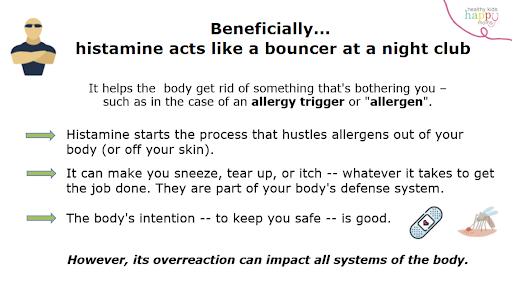
I love the metaphor our integrative pharmacist Deb Allen uses to describe histamine:
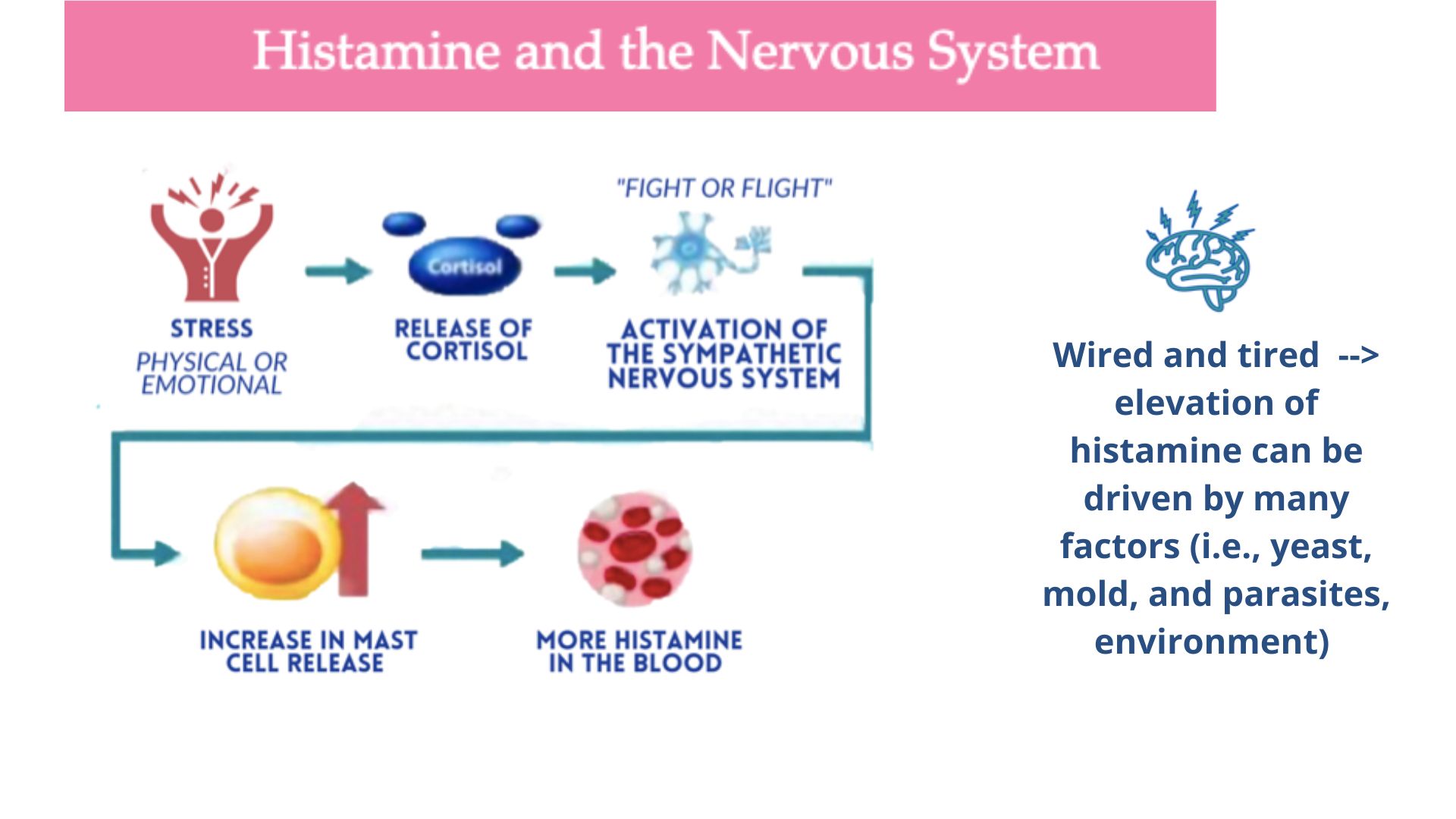
Histamine is stored in mast cells in the body. When we experience stress (physical or emotional), that triggers the release of histamine into the blood.
As seen in the graphic above, histamine is not inherently bad as it has the important function of keeping you safe by “hustling” out something in your body that’s bothering you, like an allergen.
However, too much histamine release or its overreaction is where we get into trouble by over-triggering our immune response. This overreaction also triggers the nervous system.
Six Integrative Strategies to Manage Allergies Naturally
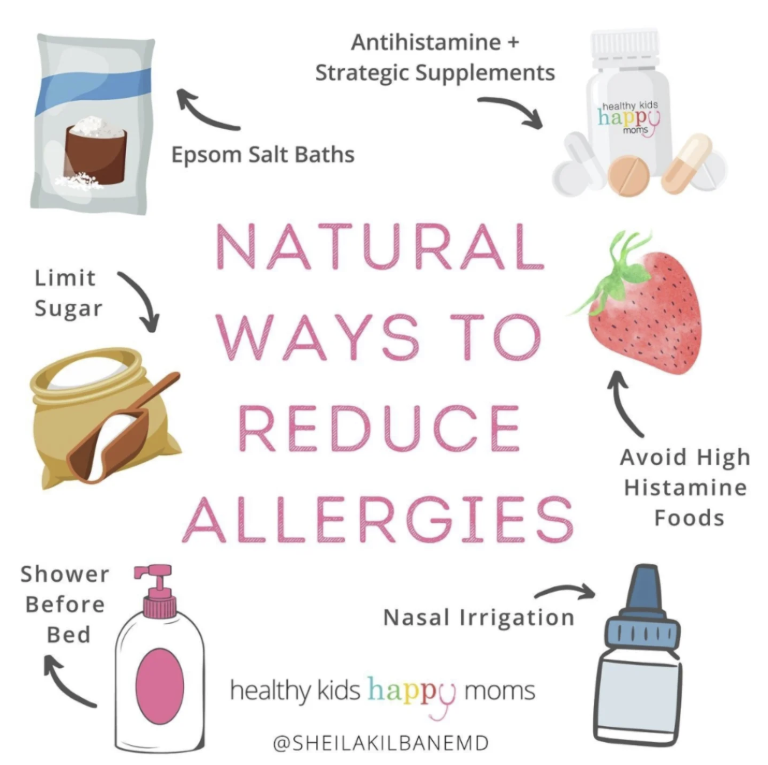
Here are six integrative strategies to keep your histamine levels in check and manage allergies naturally this spring season:
- Soak in an Epsom salt bath. 🛁
- Use a natural antihistamine like HKHM Hist-Assist – available in chewables or capsules (this supplement is also a part of our Allergy Bundle.) 🌿
- Avoid high histamine foods during the height of the pollen season–check out the histamine intolerance section in this table (5 Ways Food Triggers Inflammation) from my book. 🍋
- Try nasal irrigation, like a neti pot. 👃
- Shower before bed. 🚿
- Limit sugar. 🍭
By supporting your body with simple, natural strategies, you can help keep your immune response balanced and reduce those pesky allergy symptoms. Small changes can make a big impact, and the best part is that these steps support overall health, not just seasonal allergies!
If allergies have you feeling stuck in a cycle of congestion, itching, or brain fog, it’s time to take a proactive approach. Try incorporating a few of these tips into your daily routine, and let me know how they work for you!
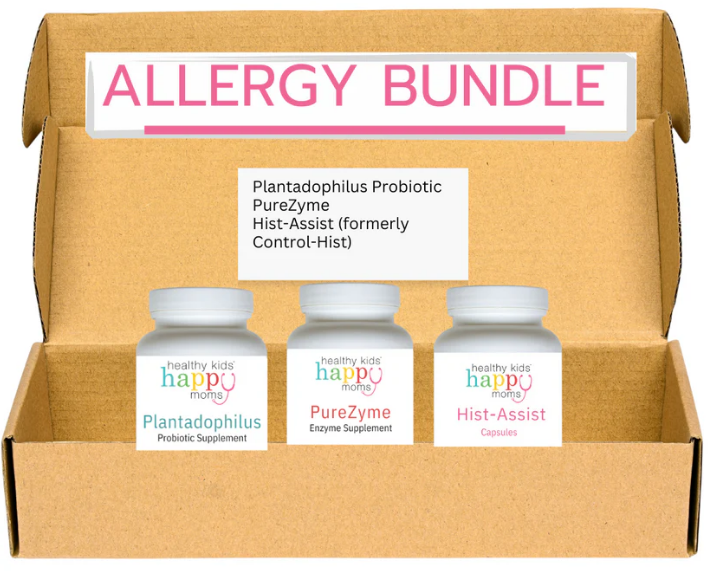
If you need extra support, try our Allergy Bundle which includes:
Lastly, if you suspect your child has food or environmental allergies, be sure to check out my other blog, Food and Environmental Allergy Testing: Part One.
Here’s to a season of clearer breathing and fewer sneezes!