By mid-August, back-to-school season is in full swing, and so are fall sports. This concussion support guide helps parents know what to do if a child experiences a possible concussion and how to support recovery alongside appropriate medical care.
Football, soccer, volleyball, cheer, cross country, and other preseason practices are ramping up. Kids are adjusting to earlier mornings, harder practices, more intense training schedules, and the excitement of a new school year.
That being said, this is the time of year when I want parents to be thinking about concussion safety.
A concussion is a brain injury. It needs to be taken seriously, assessed properly, and managed with the right medical guidance.
That is why I wanted to create this concussion support guide for families.
Before we talk about nutrition or supplements, I want to be very clear: if your child has a possible concussion, they need to be removed from play and evaluated by a qualified healthcare professional.
Supplements are not a replacement for medical care.
They are one part of a multi-pronged strategy that may also include:
● Medical evaluation
● Symptom monitoring
● Return-to-learn support
● Return-to-play clearance
● Sleep and rest
● Nutrition
● Hydration
● Rehabilitative physical therapy when appropriate
● Targeted supplement support
The CDC’s HEADS UP guidance says athletes should be removed from sports participation right away if a concussion is suspected, kept out the day of the injury, and not return until cleared by a healthcare provider.
That is always the first step.
Why a Concussion Support Guide Matters During Back-to-School Season
Sports and recreation-related concussions are especially relevant for kids and teens.
The CDC reports that about 7 out of 10 emergency department visits for sports and recreation-related TBIs and concussions are among children ages 17 and under.
And while helmets, athletic trainers, coaches, and concussion protocols have improved, parents still need to know what to watch for.
Concussions can happen from:
● A blow to the head
● A fall
● A collision with another player
● Whiplash-type movement
● Heading a soccer ball
● Tackling
● Cheer stunts
● Playground injuries
● Bike or scooter accidents
Some concussions are obvious. Others are not.
Your child does not need to lose consciousness to have a concussion.
That is why a concussion support guide can be helpful during the school year. Parents, coaches, and students need to know the early signs, when to seek care, and how to support the body during recovery.
What to Do First After a Possible Concussion
If your child has a possible concussion, the first step is safety.
If a concussion is suspected, your child should:
● Stop playing immediately
● Stay out of sports for the rest of the day
● Be checked for concussion danger signs
● Be evaluated by a qualified healthcare provider
● Follow medical guidance before returning to school, sports, or full activity
I recommend working with your child’s pediatrician, a pediatric neurologist, or a concussion-trained healthcare provider for a complete assessment and continuity of care.
If your child has any danger signs, seek emergency medical care right away.
Concussion danger signs may include:
● One pupil larger than the other
● Repeated vomiting
● Seizures
● Slurred speech
● Worsening headache that does not go away
● Weakness, numbness, or decreased coordination
● Increasing confusion, agitation, or unusual behavior
● Loss of consciousness
● Difficulty waking up or staying awake
● Not recognizing people or places
● Double vision
When in doubt, get medical care.
Return to Learn Comes Before Return to Play
After a concussion, we want to think about the brain in stages.
The goal is not to rush your child back into full school, full screens, full homework, and full sports all at once.
The CDC notes that most children can return to school within 1 to 2 days of a concussion, even if they are still having some symptoms. But that return may need to be adjusted with short-term supports.
This might include:
● Shortened school days
● Extra time for assignments
● Reduced screen use
● Breaks during the day
● Delayed tests or quizzes
● Reduced homework load
● Quiet spaces when symptoms flare
● Communication between parents, school staff, and healthcare providers
Return to sports is different.
Your child should not return to practices, games, contact drills, or competition until they are cleared by their healthcare provider.
The CDC uses a 6-step return-to-play progression, and each step typically takes at least 24 hours. If symptoms return, your child needs to stop and move back to the previous step under medical guidance.
This is not the time to “push through.” The brain needs support, not pressure.
The Integrative Approach to Concussion Support
This concussion support guide is not about replacing medical care. It is about supporting the body while your child is also receiving appropriate medical assessment and guidance.
In my practice, I think about concussion support in several key areas:
● Adequate protein
● Fish oil support
● Cellular energy production
● Magnesium and vitamin D
● Antioxidant support
● Gut support
● Digestive enzyme support
This is just one part of a multi-pronged strategy for addressing brain injury, but it can be an important part.
The right nutrition early after an injury can support recovery pathways, including brain-derived neurotrophic factor, or BDNF, which helps support communication and repair in the brain.
Exercise can also play a role in activating neurotrophic factors that help limit inflammation and oxidative damage, but this should be done only under appropriate guidance after a concussion.
This is where rehabilitative physical therapy may be helpful.
Nutrition Support Within the First 24 Hours
After a concussion, I want parents to think about nutrition early.
The first 24 hours matter.
That does not mean forcing large meals if your child feels nauseous. But it does mean offering steady, nourishing support as tolerated.
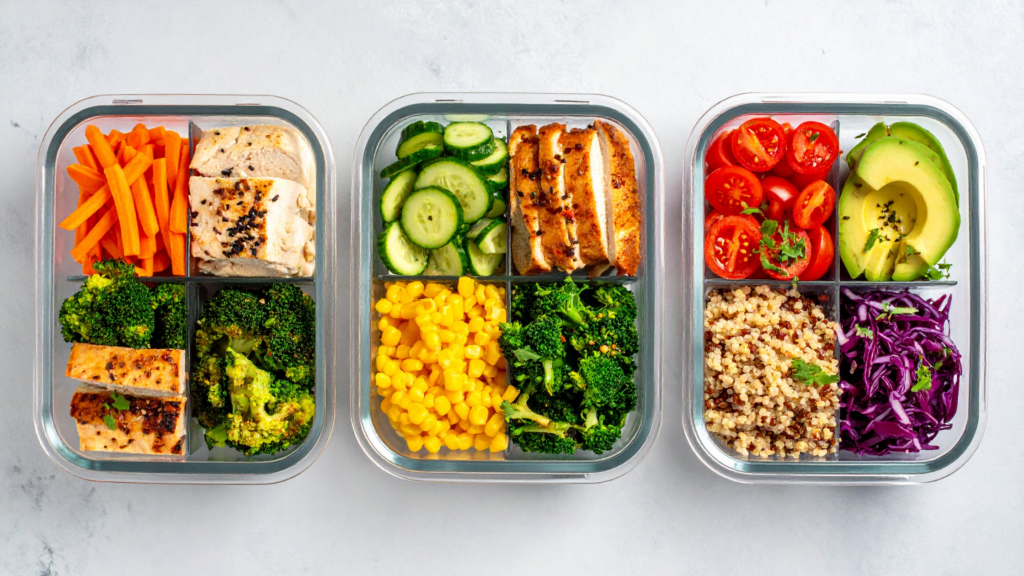
Focus on:
● Hydration
● Protein
● Healthy fats
● Colorful fruits and vegetables
● Blood sugar stability
● Easy-to-digest meals
● Avoiding excess sugar and ultra-processed foods
If your child is vomiting, very nauseous, unusually sleepy, confused, or worsening, that needs medical attention.
But when they are stable and able to eat and drink, nutrition becomes part of the recovery foundation.
Protein for Repair and Recovery
Protein provides the building blocks the body uses for repair.
In the concussion support guide I use in practice, I recommend aiming for about 1.5 grams of protein per 1 kilogram of body weight. Shakes and smoothies can be helpful if your child does not feel like eating much.
Simple protein ideas include:
● Smoothies with protein powder
● Eggs
● Turkey or chicken
● Greek yogurt if tolerated
● Beef or bison
● Salmon
● Beans or lentils
● Nut or seed butters
● Bone broth-based soups
The goal is not perfection. The goal is to help the brain and body get the raw materials they need during recovery.
Fish Oil for Brain and Inflammatory Support
Omega-3 fatty acids are important for brain health, cell membrane support, inflammatory balance, cognition, and memory.
I recommend choosing ONE fish oil option:
● HKHM Omega-3 Fish Oil: 1 to 2 capsules twice daily
● Barlean’s Omega Swirl Fish Oil — Mango Peach: 1 to 3 teaspoons twice daily
Because omega-3s are fat-based, they are usually best tolerated with meals.
Talk with your child’s healthcare provider before using fish oil if your child:
● Takes blood thinners
● Has a bleeding disorder
● Has a fish allergy
● Has had a previous reaction to fish oil
Cellular Energy Support After a Concussion
After a concussion, cellular energy production is a big part of the conversation.
Mitochondria are the energy generators of the cell. They help make the energy currency the brain and body use to function.
After a brain injury, the body may be dealing with:
● Inflammation
● Oxidative stress
● Brain fatigue
● Headaches
● Difficulty concentrating
● Slower processing
● Low stamina
● Mood changes
That is why I think about nutrients that help support mitochondrial function and cellular energy production.
MultiVite+ for Mitochondrial Support
I think about this category as foundational support for the cellular energy systems that are working hard after a brain injury.
For cellular energy support, I recommend:
● HKHM MultiVite+: 1 to 2 capsules twice daily
Magnesium and Vitamin D: Concussion Support Guide
Magnesium and vitamin D are two nutrients I often think about during recovery.
Magnesium is involved in many pathways for repair and recovery. It also helps calm the nervous system.
Vitamin D is important for immune function, inflammatory balance, and neurotransmitter production. The hippocampus, which is involved in memory, has vitamin D receptors, which suggests vitamin D plays an important role in healthy brain function.
Magnesium for Nervous System Support
Magnesium can help support the nervous system, sleep quality, bowel regularity, and many repair pathways.
For magnesium, I recommend choosing ONE option:
● HKHM Advanced Magnesium Capsules: 1 to 2 capsules twice daily
● HKHM Advanced Magnesium Powder: ¼ to 1 scoop twice daily
Magnesium can loosen stools, so start low and adjust based on tolerance and practitioner guidance.
Vitamin D3 + K2 for Foundational Brain and Immune Support
For vitamin D support, I recommend:
● HKHM Vitamin D3 + K2 Liquid: 2 to 5 drops daily, which provides 2,000 IU to 5,000 IU daily
Vitamin D dosing should be individualized when possible, especially if your child has recent lab work or is already taking a multivitamin.
Talk with your child’s healthcare provider about the right dose for your child.
Antioxidant Support After a Concussion
After a concussion, the body may experience increased oxidative stress. Antioxidants help support the body’s normal defense systems.
In this concussion support guide, I think about antioxidant support in three categories:
● Sulforaphane
● Glutathione
● Vitamin C
Again, these are not a replacement for medical care.
They are targeted supports that may help the body handle oxidative stress and recovery demands.
BrocElite for Sulforaphane Support
BrocElite® Plus provides sulforaphane support.
Sulforaphane is a compound found in cruciferous vegetables, especially broccoli sprouts. It helps support antioxidant pathways and cellular resilience.
For BrocElite, I recommend:
● BrocElite® Plus: 1 capsule once daily with food
Glutathione for Antioxidant Support
Glutathione is often called the body’s master antioxidant.
Around concussion support, I think about glutathione as a way to support antioxidant capacity and the body’s normal cleanup systems.
For glutathione, I recommend choosing ONE option:
● EssentialPRO Liposomal Glutathione Softgels: 1 capsule twice daily
● Quicksilver Scientific Liposomal Glutathione: 2 to 4 pumps twice daily
The Quicksilver Liposomal Glutathione should be refrigerated.
If possible, hold it in the mouth for 30 seconds before swallowing.
Vitamin C for Antioxidant and Immune Support
Vitamin C supports immune function, antioxidant defense, collagen production, and tissue repair.
For vitamin C, I recommend choosing ONE option:
● HKHM Advanced Vitamin C Capsules: 1 to 2 capsules twice daily
● HKHM Advanced Vitamin C Powder: 1/8 – 1/4 scoop twice daily
Vitamin C can loosen stools in some children, so this is another supplement where I recommend starting low and adjusting based on tolerance.
Gut Support: Concussion Support Guide
The brain and gut are closely connected.
That is why I also think about probiotics and digestive enzymes after a concussion.
When the body is under stress, digestion can shift. Kids may feel nauseous, constipated, less hungry, more sensitive to foods, or just “off.”
Supporting the gut can help support nutrient absorption, immune balance, and the gut-brain connection.
Probiotic Support for the Gut-Brain Connection
For probiotic support, I recommend choosing ONE option:
● HKHM Biome Protect 20B: 1 capsule twice daily
● HKHM Plantadophilus: 1 capsule twice daily
I often think about probiotic support when I want to support gut microflora, immune regulation, and the gut-brain connection during recovery.
Digestive Enzymes for Nutrient Absorption
Digestive enzymes can support the breakdown of proteins, fats, carbohydrates, and fiber so the body can better absorb the nutrients it needs.
For digestive enzyme support, I recommend choosing ONE option:
● HKHM Digest Enzymes: 1 capsule with each meal
● HKHM Kidz Digest Chewables: 1 to 2 chewables with each meal
● HKHM Kidz Digest Powder: 1 scoop with each meal
This can be especially helpful when a child’s appetite is off, meals are inconsistent, or the body is working hard to recover.
A Simple Concussion Support Checklist for Parents
If your child has a possible concussion, here is the simple checklist I want you to remember:
● Remove them from play immediately
● Do not let them return the same day
● Watch for danger signs
● Contact your child’s healthcare provider
● Follow return-to-learn guidance
● Do not return to sports until medically cleared
● Prioritize sleep and hydration
● Reduce screens and intense cognitive activity early on
● Focus on protein, healthy fats, and nutrient-dense foods
● Consider targeted supplement support with practitioner guidance
● Ask about rehabilitative physical therapy when appropriate
Back-to-school and fall sports are busy enough. Having a plan helps.
Final Thoughts on This Concussion Support Guide
A concussion is a brain injury.
It deserves proper medical assessment, thoughtful recovery, and a return-to-school and return-to-sport plan that protects your child’s brain.
But once the safety pieces are in place, we can also support the body’s recovery foundation.
That is where nutrition, sleep, hydration, gut support, antioxidant support, mitochondrial support, and targeted supplements can be helpful.
This concussion support guide is not about replacing conventional care. It is about using the best of conventional and integrative medicine together.
If your child is heading into fall sports, now is a great time to review your family’s concussion plan, talk with coaches and athletic trainers, and make sure everyone knows what to do if a head injury happens.
References
- Centers for Disease Control and Prevention. (2026). Data on sports and recreation activities. https://www.cdc.gov/heads-up/data/index.html
- Centers for Disease Control and Prevention. (2025). Responding to a sports-related concussion. https://www.cdc.gov/heads-up/response/index.html
- Centers for Disease Control and Prevention. (2025). Returning to school after a concussion. https://www.cdc.gov/heads-up/guidelines/returning-to-school.html
- Centers for Disease Control and Prevention. (2025). Returning to sports. https://www.cdc.gov/heads-up/guidelines/returning-to-sports.html
- Centers for Disease Control and Prevention. (2025). Signs and symptoms of concussion. https://www.cdc.gov/heads-up/signs-symptoms/index.html
- Halstead, M. E., Walter, K. D., Moffatt, K., & Council on Sports Medicine and Fitness. (2023). Pediatric sport-related concussion: Recommendations from the Amsterdam consensus statement 2023. Pediatrics, 153(1), e2023063489. https://publications.aap.org/pediatrics/article/153/1/e2023063489/196057/Pediatric-Sport-Related-Concussion-Recommendations
- National Institutes of Health, Office of Dietary Supplements. (2025). Vitamin C fact sheet for health professionals. https://ods.od.nih.gov/factsheets/VitaminC-HealthProfessional/
- National Institutes of Health, Office of Dietary Supplements. (2025). Vitamin D fact sheet for health professionals. https://ods.od.nih.gov/factsheets/VitaminD-HealthProfessional/
- National Institutes of Health, Office of Dietary Supplements. (n.d.). Omega-3 fatty acids fact sheet for health professionals. https://ods.od.nih.gov/factsheets/Omega3FattyAcids-HealthProfessional/
- Dash, P. K., Zhao, J., Orsi, S. A., Zhang, M., & Moore, A. N. (2009). Sulforaphane improves cognitive function administered following traumatic brain injury. Neuroscience Letters, 460(2), 103–107. https://pmc.ncbi.nlm.nih.gov/articles/PMC2700200/
- Wu, A., Ying, Z., & Gomez-Pinilla, F. (2004). Dietary omega-3 fatty acids normalize BDNF levels, reduce oxidative damage, and counteract learning disability after traumatic brain injury in rats. Journal of Neurotrauma, 21(10), 1457–1467. https://pubmed.ncbi.nlm.nih.gov/15672635/