Poison ivy has a way of showing up at the worst possible time, which is why many families look for natural remedies for poison ivy as soon as symptoms appear.
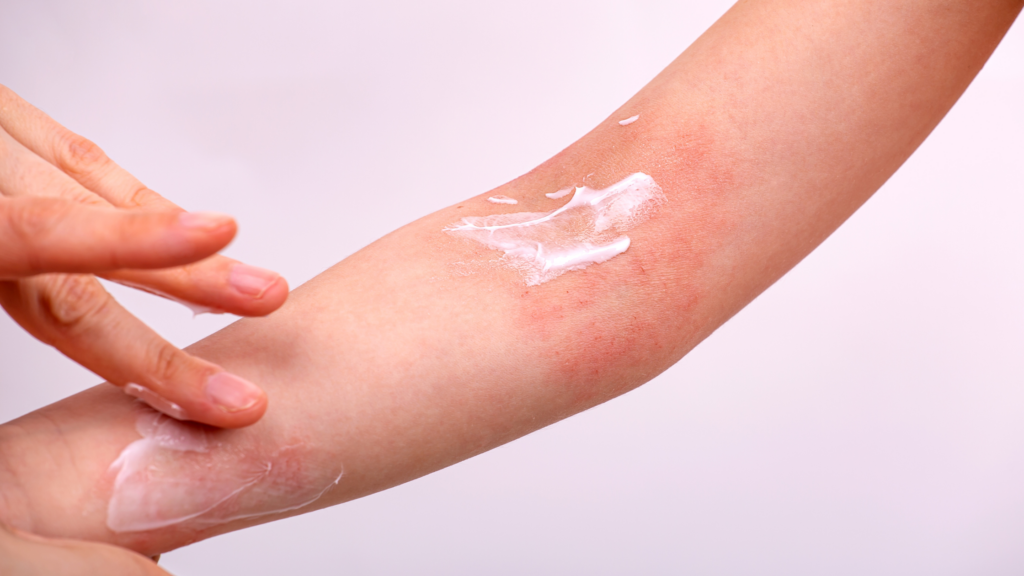
Your child is playing outside, hiking, helping in the yard, or running through the woods, and a day or two later, the itching starts. Then come the red bumps, swelling, and sometimes those uncomfortable blisters. While there is no instant cure, many natural remedies for poison ivy may help soothe irritated skin and reduce discomfort.
Fortunately, most poison ivy rashes can be managed at home with a few simple steps.
This blog will cover what to do immediately, how to soothe the skin, and which natural remedies for poison ivy may help ease itching and support the healing process. You’ll also learn when poison ivy symptoms require medical attention.
What Causes a Poison Ivy Rash?
Poison ivy, poison oak, and poison sumac all contain an oily resin called urushiol.
Urushiol is what triggers the itchy, blistering rash many people get after touching one of these plants. It can be found on the leaves, stems, roots, and even on dead plants.
The tricky part is that urushiol can also stick to clothing, shoes, gardening tools, sports gear, and pet fur. So even if your child did not directly touch the plant, they may still react if the oil gets transferred to their skin later.
The rash itself is not contagious once the oil is washed off. But if urushiol is still on your child’s skin, clothing, or gear, it can continue spreading to new areas.
How to Prevent Poison Ivy Exposure
The best poison ivy remedy is avoiding the rash in the first place.
Of course, that is easier said than done when kids are outside exploring, playing in the yard, hiking, or helping with summer chores.
A few simple prevention habits can help:
● Teach kids the phrase, “Leaves of three, let them be.”
● Wear long sleeves and long pants in wooded or brushy areas
● Use closed-toe shoes and tall socks when hiking or playing near brush
● Wear gloves when gardening or pulling weeds
● Keep kids and pets away from areas where poison ivy is growing
● Wash outdoor gear, shoes, and tools after possible exposure
● Avoid burning poison ivy, poison oak, or poison sumac
Burning these plants can release urushiol into the air, which can irritate the eyes, skin, and lungs.
What To Do Right Away After Poison Ivy Exposure
If you think your child touched poison ivy, poison oak, or poison sumac, act quickly.
The goal is to remove the urushiol oil from the skin before it has more time to trigger a reaction or spread to other areas.
Wash the skin as soon as possible using:
● Rubbing alcohol
● A poison plant wash
● Degreasing soap, such as dish soap
● Lots of water
Rinse frequently so the soap or wash does not dry on the skin and spread the urushiol around.
Be sure to scrub under your child’s nails with a brush, especially if they have been scratching or playing in dirt, leaves, or brush.
Wash Clothes, Shoes, Gear, and Pets After Poison Ivy Exposure
Urushiol can linger on clothing, shoes, backpacks, towels, gardening tools, and pet fur.
After a possible exposure:
● Wash your child’s clothing separately
● Clean shoes and outdoor gear
● Wipe down tools or sports equipment
● Bathe pets that may have brushed against the plant
● Wear gloves when handling contaminated items
Most pets do not react to poison ivy the way humans do, but the oil can stick to their fur and cause a rash in someone who pets them later.
Four Natural Remedies for Poison Ivy Relief
Once the rash appears, the goal is to calm the itching, protect the skin barrier, and keep your child from scratching the area open.
Here are a few simple ways to support the skin while the rash heals.
Natural Remedies for Poison Ivy: Cool Compresses for Itching
Cool, wet compresses can help calm itching and reduce discomfort.
Apply a clean, cool washcloth to the rash for 10 to 15 minutes at a time. You can repeat this several times per day as needed.
Avoid hot water, which can make itching feel worse.
Soothing Baths: Natural Remedies for Poison Ivy
A lukewarm bath can help calm itchy, irritated skin.
Try adding Himalayan salt, baking soda, apple cider vinegar, or a few drops of lavender essential oil. For kids, lavender is usually the gentlest option. I would avoid using essential oils on pets unless directed by your veterinarian.
After the bath, gently pat the skin dry instead of rubbing.
Calamine Lotion or Hydrocortisone Cream for Poison Ivy Relief
Calamine lotion or a gentle over-the-counter hydrocortisone cream may help reduce itching and irritation.
Always follow the product directions, and check with your child’s healthcare provider if you are unsure what is appropriate for your child’s age or skin.
Keep the Skin Clean and Dry While Poison Ivy Heals
Try to keep the rash clean and dry, especially if there are blisters.
If blisters open, avoid picking at them. Gently wash the area with mild soap and water, then pat dry.
Watch for signs of infection, including increasing redness, warmth, swelling, pain, pus, or fever.
Natural Ways to Help Kids Avoid Scratching Poison Ivy
This is often the hardest part.
Poison ivy can be intensely itchy, and kids may scratch without realizing it, especially at night.
Scratching can irritate the skin further and increase the risk of infection if the skin breaks open.
A few simple tips:
● Keep fingernails trimmed short
● Use cool compresses before bed
● Dress kids in soft, breathable clothing
● Cover the rash lightly if needed to reduce scratching
● Use distraction during the worst itching moments
● Call your provider if itching is severe or if sleep is being affected
If your child is miserable, it is worth checking in with your healthcare provider. Sometimes children need stronger support to calm the inflammation and itching.
Hist-Assist for Seasonal Reactivity
Poison ivy is a skin reaction, but it is also an immune response.
Some children are more reactive than others, especially during seasons when they are also dealing with pollen, grass, bug bites, itchy skin, and other outdoor exposures.
For children who tend to be more reactive during the summer, HKHM Hist-Assist may be helpful as part of a broader seasonal support plan.
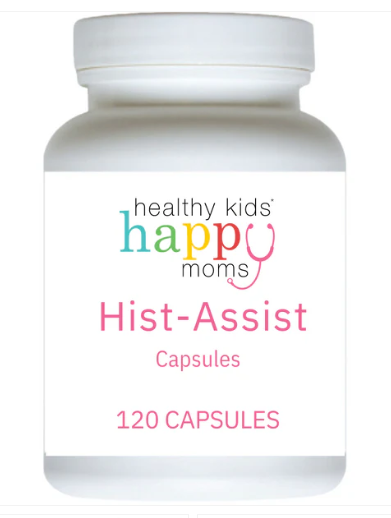
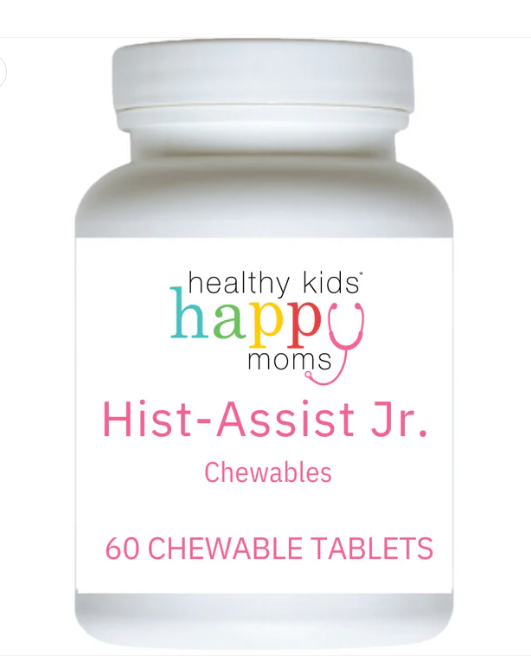
Hist-Assist does not prevent poison ivy, and it is not a treatment for a severe rash.
But it may help support a healthy histamine response in children who tend to be itchy, reactive, or uncomfortable during seasons with more outdoor exposure.
When To Call the Doctor for a Poison Ivy Rash
Most poison ivy rashes can be managed at home, but there are times when you should contact your child’s healthcare provider.
Call your doctor if:
● The rash is severe or widespread
● The rash is on the face, eyes, mouth, or genitals
● Your child has significant swelling
● Blisters are oozing pus
● Your child develops a fever
● The rash is not improving after a few weeks
● Your child is having trouble sleeping because of the itching
● You are worried the rash may be infected
Seek emergency care if your child has trouble breathing after exposure to smoke from burning poison ivy, poison oak, or poison sumac.
Natural Poison Ivy Remedies: A Simple Routine
If your child is exposed to poison ivy, here is a simple rhythm to follow.
Right away:
● Wash the skin with rubbing alcohol, poison plant wash, dish soap, or lots of water
● Scrub under the nails
● Wash clothing, shoes, gear, and towels
● Bathe pets if they may have brushed against the plant
For itching and irritation:
● Use cool compresses
● Try a lukewarm soothing bath
● Apply calamine lotion or hydrocortisone cream if appropriate
● Keep nails short
● Help your child avoid scratching
● Watch for signs of infection
For seasonal support:
● Consider Hist-Assist for children who tend to be more reactive during the summer
● Support sleep, hydration, regular bowel movements, and nutrient-dense meals
Poison ivy is uncomfortable, but with the right steps, most rashes improve with time and supportive care.
References
- Centers for Disease Control and Prevention, National Institute for Occupational Safety and Health. (2010). Protecting yourself from poisonous plants. https://www.cdc.gov/niosh/docs/2010-118/default.html
- Centers for Disease Control and Prevention, National Institute for Occupational Safety and Health. (2026, March 3). Poisonous plants and work. https://www.cdc.gov/niosh/outdoor-workers/about/poisonous-plants.html
- U.S. Food and Drug Administration. (2021, June 9). Outsmarting poison ivy and other poisonous plants. https://www.fda.gov/consumers/consumer-updates/outsmarting-poison-ivy-and-other-poisonous-plants
- American Academy of Dermatology Association. (n.d.). Poison ivy, oak, and sumac: What does the rash look like? https://www.aad.org/public/everyday-care/itchy-skin/poison-ivy/what-rash-looks-like
- Mayo Clinic. (2024, May 15). Poison ivy rash: Symptoms and causes. https://www.mayoclinic.org/diseases-conditions/poison-ivy/symptoms-causes/syc-20376485