Ready to survive this cold and flu season and keep your family healthy and feeling their best?
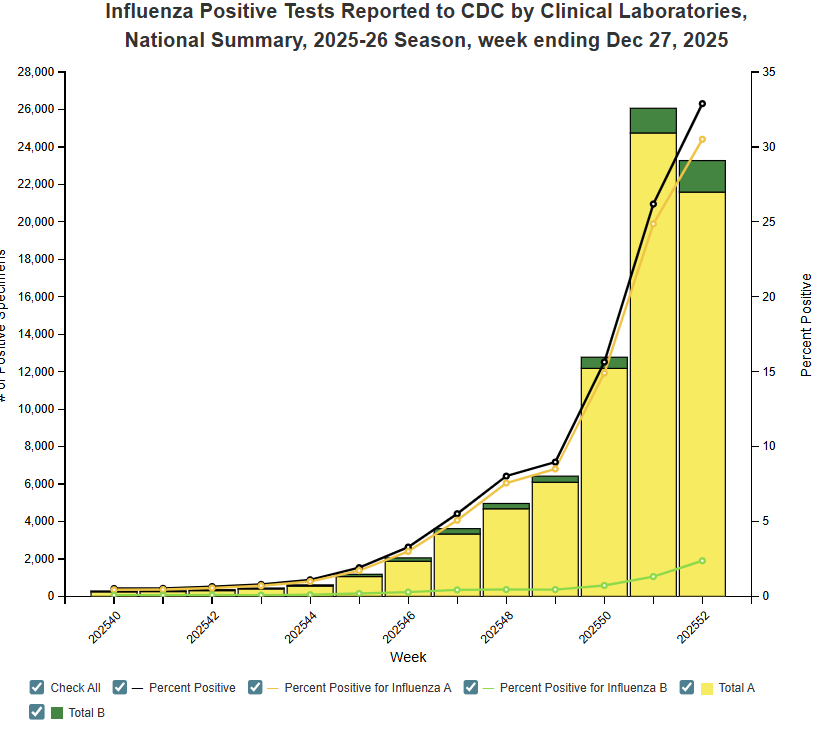
This 2025-2026 cold and flu season is currently assessed as more severe than years prior (moderate severity assessment). Below are some key statistics about this season as of the end of December. Be sure to monitor weekly flu data for the most up-to-date information.
- Roughly 1 in 10 outpatient visits were reported for respiratory illness (above baseline, with some reports indicating the highest rates since 1997)
- There have been an estimated 120,000 hospitalizations from the flu so far this season
- Nine influenza-associated pediatric deaths were reported to the CDC
- The severity is largely driven by a new variant of Influenza A(H3N2) known as subclade K
The sick cycle is familiar: first, the sniffles appear, then the cough and low-grade fever, and before you know it, you’re on your way to the doctor or the pharmacy.
The direct costs of treating the flu, including doctor visits, hospital stays, and medications, add up to an average of $10.4 billion annually. These billions are only the medical expenses—they do not include other costs like lost wages from missing work.
Instead of reacting when sickness strikes, there are actions we can take now to build a stronger, more resilient immune system! If you’re an active reader in my community or a patient of mine, you’re well aware I strongly believe that proactive health is far better than reactive medicine.
Most of my patients and readers are already taking our HKHM Foundational Supplements. If that’s you, then you’re off to a fantastic start! Sometimes, however, we need extra reinforcements during cold and flu season.
In addition to working with your primary healthcare provider, the following cold and flu season rescue kit offers extra support to your family.
Your Rescue Kit to Survive Cold and Flu Season
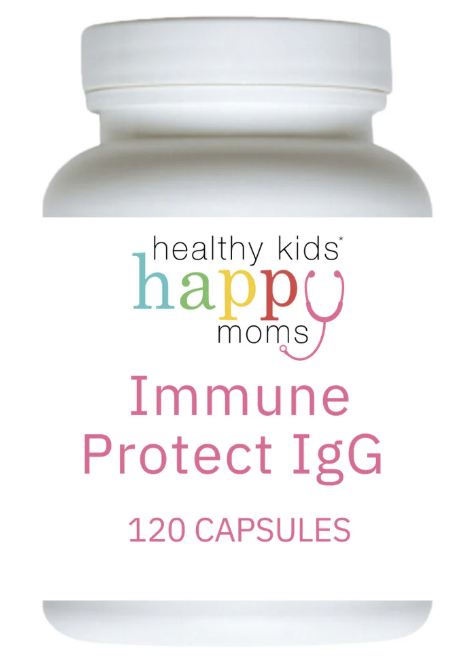
Immunoglobulins
Your body’s immune system is like a well-trained army, ready to defend against invaders, like viruses. Immunoglobulins are the special forces–powerful proteins that neutralize pathogens before they can cause harm.
Keeping the HKHM Immune Protect (also available in powder form) on hand for this “kit” gives you easy access to the boost in immunoglobulins your body needs to fight back against viruses and bacteria.
Vitamin C
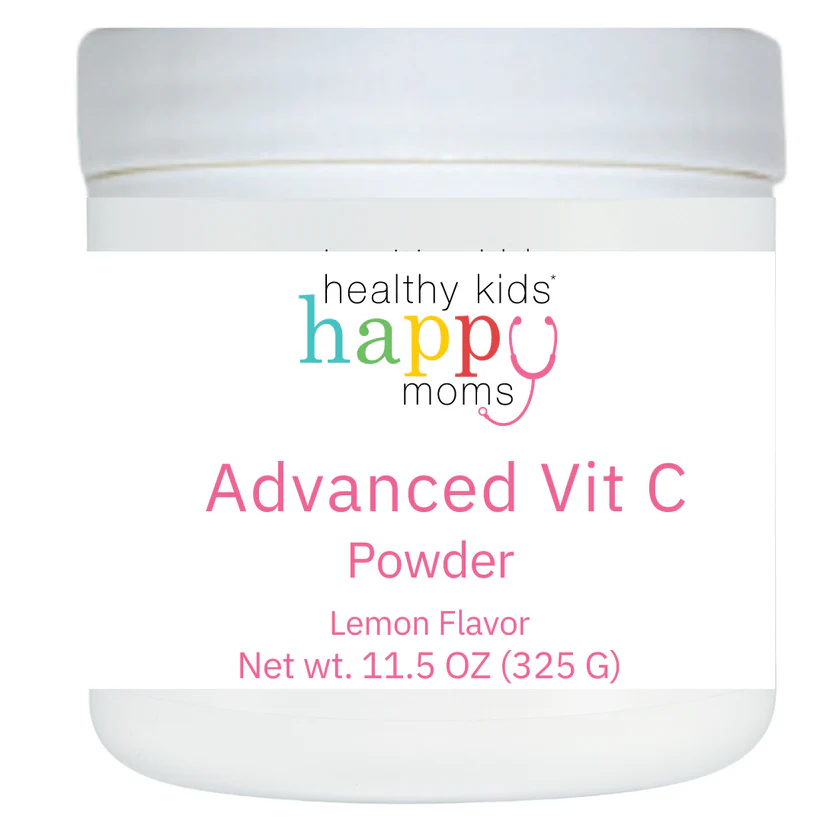
When it comes to supporting immune health, vitamin C is a tried-and-true ally. Regular supplementation of vitamin C has been shown to reduce the severity and duration of the common cold.
The HKHM Advanced Vitamin C (also available in capsule form) is a great way to get extra vitamin C when you need it most.
Zinc
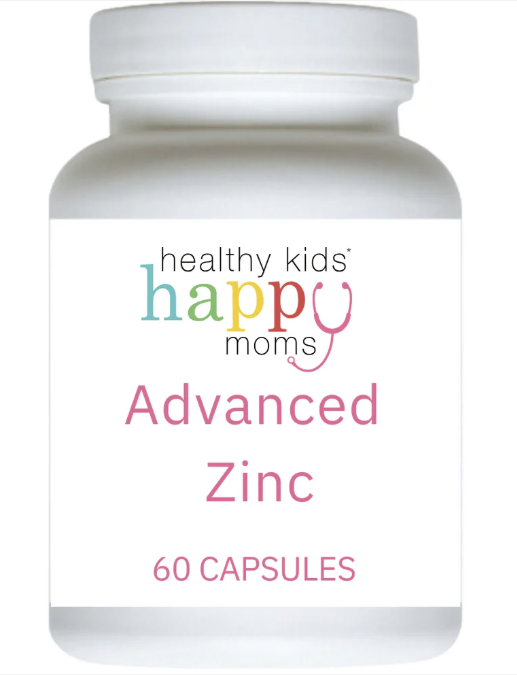
Not only does zinc help your body fight off infections, but similar to vitamin C, it has also been shown to reduce the duration and severity of cold and flu symptoms.
Zinc supplementation corresponds to a reduction in the incidence of colds, school absenteeism, and antibiotic use in children. A zinc supplement can be a game-changer this cold and flu season!
With a cold and flu rescue kit on hand, those pesky viruses won’t stand a chance!
Additional Tips to Survive Cold and Flu Season
Additionally, here are some other ways to keep illnesses at bay this year and survive cold and flu season!
Maintain a Balanced Diet
Eat a diet rich in fruits, vegetables, and lean proteins (salmon is a great choice for an omega-3 boost!) to support your immune system. In other words, eat the rainbow!
Get High Quality Sleep
Sleep is crucial for immunity. If sleep is something you struggle with, try building a relaxing bedtime routine. Dimming the lights and avoiding screens before bed are great options.
Maintaining a regular sleep schedule (yes, even on the weekends) helps to regulate our circadian rhythms and contributes to better quality sleep.
Survive Cold and Flu Season with Stress Management
Establishing a mindfulness practice like meditation or deep breathing exercises helps reduce stress and keeps the immune system working optimally.
Making time for activities you enjoy is another great way to let go of daily stresses. Examples might be reading, cooking, and spending time with loved ones!
By taking a proactive approach to our health, we can save time, money, and the discomfort of being sick.
References
1. Centers for Disease Control and Prevention. (2026, January 5). Weekly US influenza surveillance report: Key updates for Week 52, ending December 27, 2025. https://www.cdc.gov/fluview/surveillance/2025-week-52.html
2. Molinari NA, Ortega-Sanchez IR, Messonnier ML, Thompson WW, Wortley PM, Weintraub E, Bridges CB. The annual impact of seasonal influenza in the US: measuring disease burden and costs. Vaccine. 2007 Jun 28;25(27):5086-96. doi: 10.1016/j.vaccine.2007.03.046. Epub 2007 Apr 20. PMID: 17544181.
3. Detzel CJ, Horgan A, Henderson AL, Petschow BW, Warner CD, Maas KJ, Weaver EM. Bovine Immunoglobulin/Protein Isolate Binds Pro-Inflammatory Bacterial Compounds and Prevents Immune Activation in an Intestinal Co-Culture Model. PLOS One 10(4) April 2015; doi: 10.1371/journal. pone.0120278
4. Bucher A, White N. Vitamin C in the Prevention and Treatment of the Common Cold. Am J Lifestyle Med. 2016 Feb 9;10(3):181-183. doi: 10.1177/1559827616629092. PMID: 30202272; PMCID: PMC6124957.
5. Singh M, Das RR. Zinc for the common cold. Cochrane Database Syst Rev. 2011 Feb 16;(2):CD001364. doi: 10.1002/14651858.CD001364.pub3. Update in: Cochrane Database Syst Rev. 2013 Jun 18;(6):CD001364. doi: 10.1002/14651858.CD001364.pub4. PMID: 21328251.