As Easter approaches, many parents start to feel the same mix of excitement and stress. You don’t have to avoid the celebrations altogether. With a little planning and education, you can create a healthy Easter candy strategy for kids that allows your family to enjoy the holiday without the sugar crash that often follows.
Kids love the colorful eggs, chocolate bunnies, and candy-filled baskets that come with the holiday. But many parents also notice something else happening after the candy is eaten.
Suddenly their sweet, easygoing child is bouncing off the walls, talking loudly, running around the house, and provoking siblings. I hear this from parents every year.

Why Sugar Affects Children So Strongly (And Why Healthy Easter Candy for Kids Is So Important)
Many children are especially sensitive to large amounts of sugar.
The average chocolate Easter egg contains 20 grams or more of sugar.
To visualize that amount, divide grams of sugar by four.
20 grams ÷ 4 = 5 teaspoons of sugar
And remember, this is for just one small egg. Most kids eat several pieces of candy throughout the day.
When large amounts of sugar are consumed quickly, children may experience:
- Hyperactivity
- Mood swings
- Irritability
- Difficulty focusing
- Sleep disruption
Parents often describe it as their child turning from Dr. Jekyll into Mr. Hyde within minutes.
Understanding how much sugar is actually in candy can be a powerful teaching moment for kids.
One fun activity is to turn it into a grocery store math exercise by asking your child to calculate teaspoons of sugar on food labels.
How Sugar Impacts the Immune System
Another reason to be mindful of holiday candy is its effect on immune health.
Studies have shown that consuming large amounts of sugar can suppress immune function for several hours.
When you consider that many holidays fall during cold and flu season, large doses of sugar may make it harder for the body to defend itself.
This doesn’t mean children should never enjoy a treat. But it does mean that having a strategy can make a big difference.
Step 1: Create a Simple Easter Candy Plan (Swaps for Healthy Easter Candy for Kids)
Instead of worrying about candy all weekend, it helps to make a simple plan ahead of time.
Some helpful strategies include:
- Limiting candy to certain times of day
- Pairing sweets with a regular meal rather than eating them alone
- Spreading treats out over several days instead of eating everything at once
- Involving family members in the plan so everyone is on the same page
Education is often the first line of defense.
Grandparents, relatives, teachers, and caregivers may not realize how much candy children already receive during holidays. A quick conversation ahead of time can help reduce the overload.
Step 2: Avoid Artificial Dyes in Easter Candy
Excess sugar isn’t the only concern with holiday candy.
Many brightly colored candies also contain artificial food dyes, which can affect some children’s behavior and focus.
If possible, avoid candies containing:
- FD&C Blue #1
- FD&C Red #40
- FD&C Yellow #6
These artificial colorings are extremely common in seasonal candy.
Choosing dye-free options can make a noticeable difference for some children. Check out this short video below where I discuss this more.
Step 3: Offer Healthier Easter Candy Alternatives
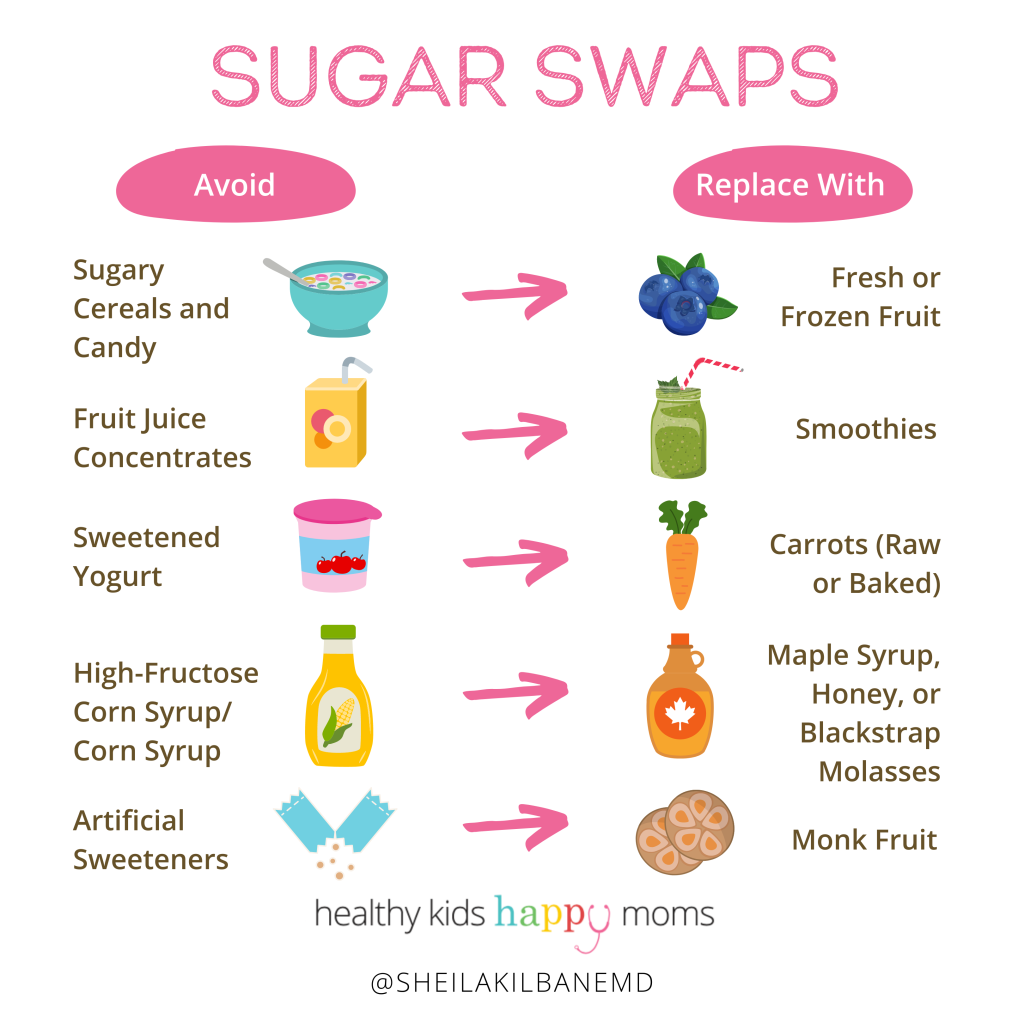
You don’t have to eliminate candy completely to support your child’s health.
Instead, look for options that contain:
- Fewer artificial ingredients
- Natural food coloring
- Lower sugar content
Some families also like to include non-candy surprises in Easter baskets such as:
- Books
- Art supplies
- Outdoor toys
- Craft kits
- Small games
These items help shift the focus of the holiday away from sugar while still keeping the excitement of Easter morning.
Teaching Kids Balance Around Sugar
One of the most valuable lessons parents can teach is how to enjoy treats in moderation.
Completely banning candy can sometimes make it more appealing.
Instead, teaching children how to read labels, understand ingredients, and make thoughtful choices gives them skills they can use for life.
Holidays are a great opportunity to start those conversations.
The Bottom Line: Healthy Easter Candy for Kids
Easter should be joyful, not stressful.
With a little planning, you can create a healthy Easter candy strategy for kids that allows your family to celebrate while still protecting your child’s health.
Remember:
- Understand how much sugar is actually in candy
- Avoid artificial dyes when possible
- Create a simple holiday plan
- Include non-candy surprises
These small steps can make a big difference in how your child feels during and after the holiday.
You can do this! Let us know if there are any other strategies that have worked for your family.
Schedule a FREE 15-minute informational call with my practice’s patient care specialist to discuss your child’s issues.