Back-to-school season is here, and healthy daycare habits become more important as families settle back into daycare routines. Lunches are being packed, drop-offs feel rushed again, and kids are adjusting to earlier mornings, new classrooms, shared toys, and more close contact with other children.
If your child attends daycare, you already know what often comes next: more runny noses, more coughs, and more reminders that “something is going around.”
While daycare exposure is a normal part of childhood, practicing healthy daycare habits can help support your child’s well-being as the school year begins.
That is why I recommend focusing on three simple healthy daycare habits during back-to-school season:
- Probiotics
- Handwashing
- Using a natural hand sanitizer alternative after daycare pickup
These healthy daycare habits are easy to build into your daily routine. When practiced consistently, they can help support your child’s gut health, immune system, and everyday hygiene throughout the year.
Why Healthy Daycare Habits Matter
Daycare and preschool can be wonderful for social development, learning, and routine.
They can also be a lot for the immune system.
Young children are still building immune resilience, and daycare environments often include:
● Shared toys
● Shared tables
● Shared bathrooms
● Close contact with other children
● Less-than-perfect handwashing
● New germs every week
● Kids putting fingers, toys, and sleeves in their mouths
This does not mean we need to panic. It means we need simple routines that support the body every day.
I want parents to focus on small habits they can actually keep doing.
Healthy Daycare Habit #1: Start With Probiotics
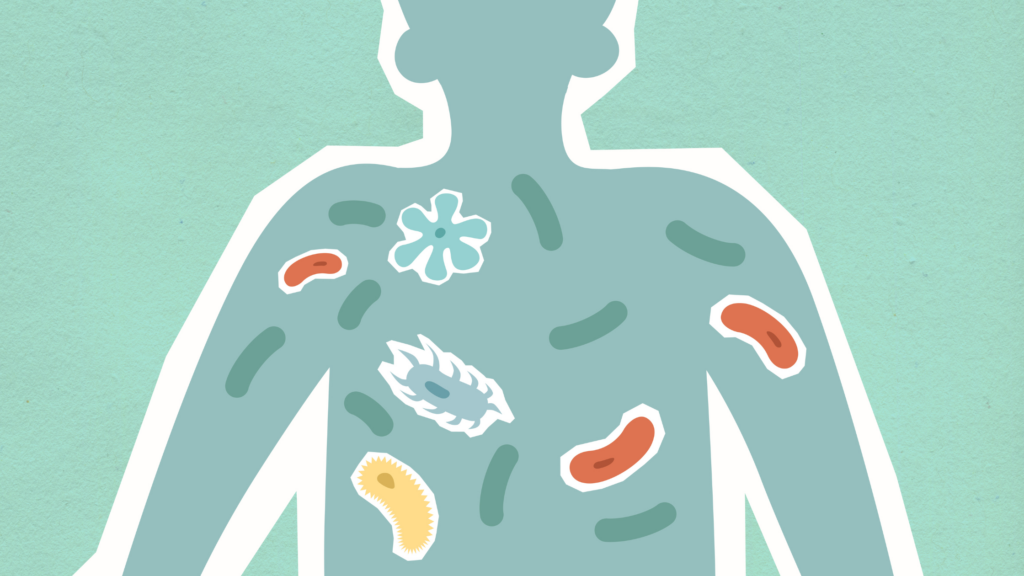
A healthy gut microbiome is one of the best places to start when supporting immune resilience.
The gut and immune system are closely connected, and in kids, this is especially important for daycare.
When kids are exposed to new germs, different foods, disrupted routines, antibiotics, or classroom stress, gut support can be part of the foundation.
You can read more about this in my blog post: The ABC’s of Probiotics: Your Gut Is Like a Garden.
For daycare-aged kids, I usually recommend choosing one probiotic option based on your child’s needs and tolerance.
HKHM Plantadophilus

HKHM Plantadophilus is a gentle foundational probiotic.
This is one of my favorite starting places for kids who need simple gut support without overcomplicating the routine.
I especially recommend HKHM Plantadophilus for kids who:
● Are just starting a probiotic
● Tend to be sensitive to supplements
● Have occasional gas or bloating
● Need daily microbiome support
● Are working on stool consistency
● Need a simple back-to-school gut foundation
This is often the easiest place to begin.
HKHM Biome Protect 20B

HKHM Biome Protect 20B is another probiotic option for daily gut and immune support.
I recommend HKHM Biome Protect 20B when a child needs a broader probiotic option or when we are rotating probiotics to support microbiome diversity.
This can be especially helpful during daycare when kids are exposed to:
● New germs
● New classroom environments
● More indoor time
● Different foods
● Seasonal immune stressors
For many families, probiotic rotation every few months can be a helpful strategy, depending on the child and the season.
HKHM SporeBiotic

HKHM SporeBiotic is a spore-based probiotic.
Spore-based probiotics are designed to be resilient through the digestive process, which can make them a good option for some children who need stronger gut support.
I recommend HKHM SporeBiotic when we want to support:
● Microbiome diversity
● Gut barrier integrity
● Digestive resilience
● Immune balance
● A stronger gut foundation during high-exposure seasons
If your child is very sensitive, start low and go slowly with your practitioner’s guidance.
Healthy Daycare Habit #2: Make Handwashing Automatic
Handwashing is simple, but it is one of the most important daycare habits.
A 2018 randomized study in daycare centers found that an educational hand hygiene program using hand sanitizer reduced respiratory infections and antibiotic prescriptions in young children.
That matters because respiratory infections are one of the most common reasons kids miss daycare, parents miss work, and families end up in a cycle of back-to-back illness.
I do not want handwashing to become stressful or obsessive.
I want it to become automatic.
For daycare-aged kids, practice handwashing at predictable times:
● Before eating
● After using the bathroom
● After blowing their nose
● After coughing or sneezing into their hands
● When they get home from daycare
● Before touching snacks in the car
● Before touching their face as much as possible
The CDC recommends washing hands with soap and warm water for at least 20 seconds.
For little kids, that may mean singing a short song, counting together, or making it part of the same routine every day.
A simple after-daycare routine might look like this:
● Shoes off
● Backpack down
● Wash hands
● Change clothes if needed
● Snack and water
This does not have to be dramatic. It just needs to be consistent.
Healthy Daycare Habit #3: Keep Briotech in the Car After Pickup
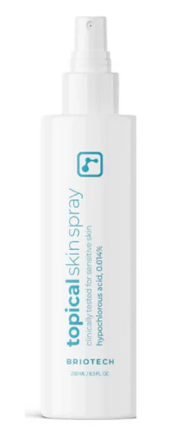
The third habit is one of my favorite practical daycare tips: keep Briotech Topical Skin Spray in the car.
Daycare pickup can be chaotic.
Your child has touched toys, tables, playground equipment, cubbies, art supplies, other kids, and who knows what else.
Then they climb into the car, ask for a snack, touch their face, rub their eyes, and put their hands in their mouth.
That is why I recommend keeping Briotech Topical Skin Spray in the car after pickup.
Briotech Topical Skin Spray is a hypochlorous acid spray. Hypochlorous acid, or HOCl, is a compound naturally made by the body’s immune system.
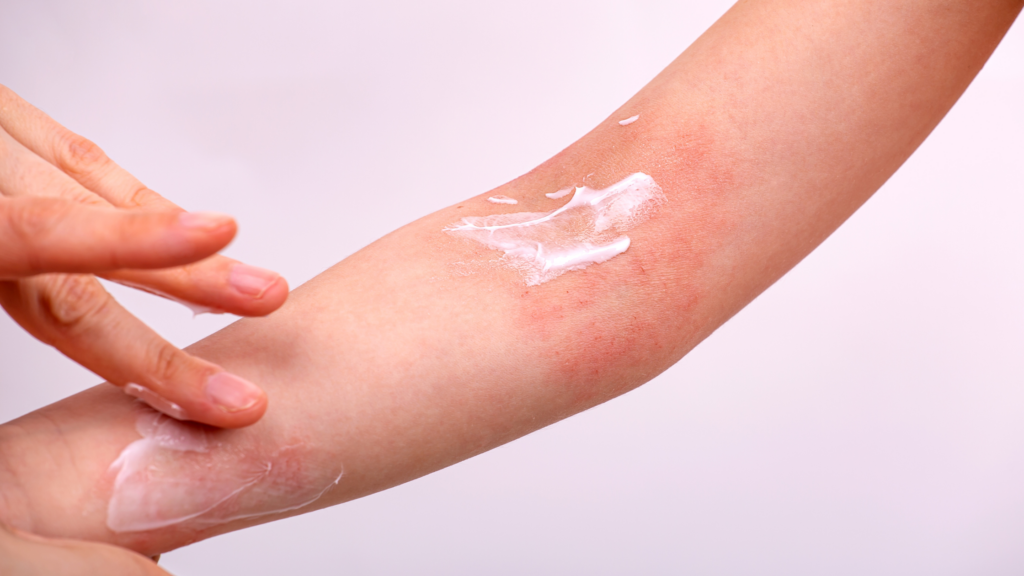
I like this as a simple spray option for hands, arms, faces, and irritated skin after daycare.
A simple pickup routine might be:
● Buckle your child into the car seat
● Spray hands with Briotech
● Spray arms or face if needed
● Let it dry
● Offer snack and water
This is not a replacement for handwashing with soap and water. It is a practical bridge between daycare pickup and getting home.
When to Keep Your Child Home From Daycare
Even with great habits, kids will still get sick. That is an inevitable part of childhood.
But it is important to know when daycare is not the right place for your child that day.
Keep your child home and contact your healthcare provider when symptoms are severe, worsening, or concerning.
This may include:
● Fever with concerning symptoms
● Trouble breathing
● Persistent vomiting
● Diarrhea that cannot be contained
● Signs of dehydration
● Extreme fatigue or lethargy
● A rash that is spreading or concerning
● Symptoms that make your child unable to participate in normal daycare activities
Also, follow your daycare’s illness policy.
These policies are there to help protect your child, the other children, and the teachers who care for them.
Final Thoughts on Healthy Daycare Habits
Daycare germs are real, but you do not need a complicated plan to support your child.
Start with the basics:
● A daily probiotic
● Consistent handwashing
● Briotech in the car after pickup
These three healthy daycare habits can help support your child’s gut, immune system, and daily hygiene routine without making your family feel overwhelmed.
References
- Azor-Martinez E, Yui-Hifume R, Muñoz-Vico FJ, Jimenez-Noguera E, Strizzi JM, Martinez-Martinez I, Garcia-Fernandez L, Seijas-Vazquez ML, Torres-Alegre P, Fernández-Campos MA, Gimenez-Sanchez F. Effectiveness of a Hand Hygiene Program at Child Care Centers: A Cluster Randomized Trial. Pediatrics. 2018 Nov;142(5):e20181245. doi: 10.1542/peds.2018-1245. Epub 2018 Oct 8. PMID: 30297500.
- Centers for Disease Control and Prevention. (2024). About Handwashing. https://www.cdc.gov/clean-hands/about/