It is allergy season, so most families are thinking about pollen, grasses, runny noses, and itchy eyes. But allergies are not just about what is floating in the air. Food allergies in kids are an important part of the conversation too.
For years, earlier guidance encouraged parents to delay foods like peanut, egg, and other common allergens. We now know that this advice has changed. Once a baby is developmentally ready for solid foods, introducing allergenic foods in safe, age-appropriate forms may actually help lower the risk of food allergies instead of increasing it.
Why the Advice Around Food Allergies in Kids Has Changed
Older recommendations often leaned toward delaying allergenic foods, especially in families with eczema or a strong allergy history. But current pediatric guidance says there is no evidence that delaying allergenic foods like egg, peanut, dairy, or sesame prevents allergies. [1] Instead, introducing these foods once a baby is ready for solids is now considered the better approach for many children.
This is a big shift for parents, especially because the old advice stuck around for a long time. If you feel confused about food allergies in kids, you are not alone, and this blog post aims to give you clarity around the topic.
What the Research Shows About Early Exposure
One of the biggest reasons this conversation changed is the growing body of research on early allergen introduction, especially peanut. NIH reports that feeding children peanut products regularly from infancy to age 5 reduced the rate of peanut allergy in adolescence by 71%. [2]
That is a powerful finding because it suggests that early exposure through the gut can help the immune system build tolerance over time rather than respond with allergy. A 2025 Pediatrics study also found decreased rates of peanut allergy and overall IgE-mediated food allergy after early food introduction guidelines were published, supporting the intended public health effect of these recommendations. [3]
Food Allergies in Kids: Why This Matters So Much for Children With Eczema
The topic of food allergies in kids is especially important for babies and young children with eczema.
According to NIAID’s addendum guidelines, infants with severe eczema, egg allergy, or both are at increased risk for peanut allergy and should have age-appropriate peanut-containing foods introduced as early as 4 to 6 months, with guidance from a clinician. [4]
This matters because eczema is not just a skin issue. When the skin barrier is inflamed and disrupted, it may increase the chance of allergic sensitization. That is one reason I often talk about the skin, gut, and immune system as being closely connected.
When to Introduce Allergenic Foods
For most babies, allergenic foods can be introduced once they are developmentally ready for solids, which is typically around 6 months. The American Academy of Pediatrics says there is no benefit to delaying these foods once readiness is there. [1]
Common allergenic foods include:
- Peanut
- Egg
- Dairy
- Sesame
- Wheat
- Soy
- Fish
- Shellfish
The goal is to introduce these foods confidently once your child is ready, rather than avoid them out of fear, unless your child falls into a higher-risk category that needs extra guidance.
How to Introduce Allergenic Foods Safely
Start when your baby is ready for solids
Developmental readiness comes first. Once your baby is handling a few starter foods well, you can begin gradually offering allergenic foods in safe forms.
Use safe, age-appropriate forms
Whole peanuts and whole tree nuts should never be given to babies because of choking risk. Peanut is better offered as thinned peanut butter, peanut powder mixed into purées, or another infant-safe form. The same goes for other foods. Think soft, mashed, well-cooked, and easy to swallow.
Introduce one new food at a time
Offering one new food at a time makes it easier to notice if your child reacts. Start small, stay calm, and pay attention.
Keep tolerated foods in the rotation
A food that has been tolerated once should usually stay in the diet regularly, since the benefit seen in research came from early and ongoing exposure, not just a single taste.
Food Allergies in Kids: When Parents Should Be More Cautious
Some families should pause and talk with their pediatrician or allergist before introducing highly allergenic foods.
That includes babies who have:
- Severe eczema
- A known egg allergy
- A previous immediate reaction to a food
- A more complex allergy history
For higher-risk infants, the NIAID peanut guidelines specifically recommend clinician guidance and, in some cases, allergy testing before peanut introduction. [4]
Food Allergies in Kids Are Not Just About the Food
When I think about food allergies, I do not just think about the food itself. I also think about the gut, the immune system, the skin barrier, and the child’s overall inflammatory burden.
That is one reason this topic overlaps so much with eczema. We want the immune system to learn tolerance through the gut instead of becoming more reactive through chronic inflammation and barrier disruption.
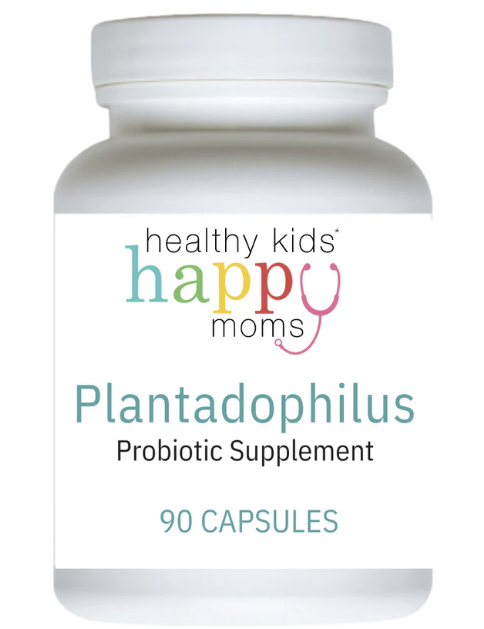
A Simple Supplement Spotlight: Plantadophilus
Because gut health and immune health are so closely connected, Plantadophilus (probiotic) is one of my favorite foundational supplements to support kids as we think more broadly about food allergies and immune balance.
This is not about saying that one supplement prevents food allergies on its own. It is about supporting the gut and immune system foundations while also looking at the bigger picture.
When Allergy Testing May Still Matter
Even though early exposure is an important part of prevention, there are still situations where individualized guidance matters.
If your child has severe eczema, chronic asthma and allergy symptoms, a history of reactions, or a more complicated picture overall, testing may still be helpful. That is why I often encourage families to look at the full story instead of relying on one-size-fits-all advice.
You can also read my related post here: Eczema and Asthma: Why Allergy Testing Is So Important.
Testing can be highly individualized, so I encourage you to book a free 15-minute info call with our private practice if you’d like to explore this further for your child.
Final Thoughts on Food Allergies in Kids
The old advice to delay allergenic foods has changed.
What we know now is that once babies are developmentally ready for solids, early exposure to allergenic foods in safe, age-appropriate forms can help lower the risk of food allergies. That is especially important for families with eczema, egg allergy, or a strong allergy history.
If this topic feels overwhelming, take a deep breath. The goal is not to do everything perfectly. The goal is to make thoughtful, informed decisions that support your child’s immune system over time.
References:
- National Institute of Allergy and Infectious Diseases. Food Allergy Causes and Prevention. Accessed March 17, 2026.
- National Institutes of Health. Introducing peanut in infancy prevents peanut allergy into adolescence. Published May 28, 2024. Accessed March 17, 2026
- Gabryszewski SJ, Dudley J, Faerber JA, Grundmeier RW, Fiks AG, Spergel JM, Hill DA. Guidelines for Early Food Introduction and Patterns of Food Allergy. Pediatrics. 2025 Nov 1;156(5):e2024070516. doi: 10.1542/peds.2024-070516. PMID: 41110838; PMCID: PMC12614487.
- National Institute of Allergy and Infectious Diseases. Addendum Guidelines for the Prevention of Peanut Allergy in the United States. 2017. Accessed March 17, 2026